Website Design for Restaurants is no longer a luxury but an absolute necessity in today’s digital-first world. In an industry where competition is fierce and customer expectations are constantly evolving, a well-crafted online presence can be the deciding factor between a thriving establishment and one that struggles to attract new patrons. This comprehensive guide delves into every aspect of creating an impactful website for your restaurant, covering everything from essential features to advanced SEO strategies, ensuring your digital storefront is as inviting as your physical one.
Table of Contents
Why This Industry Needs a Professional Website
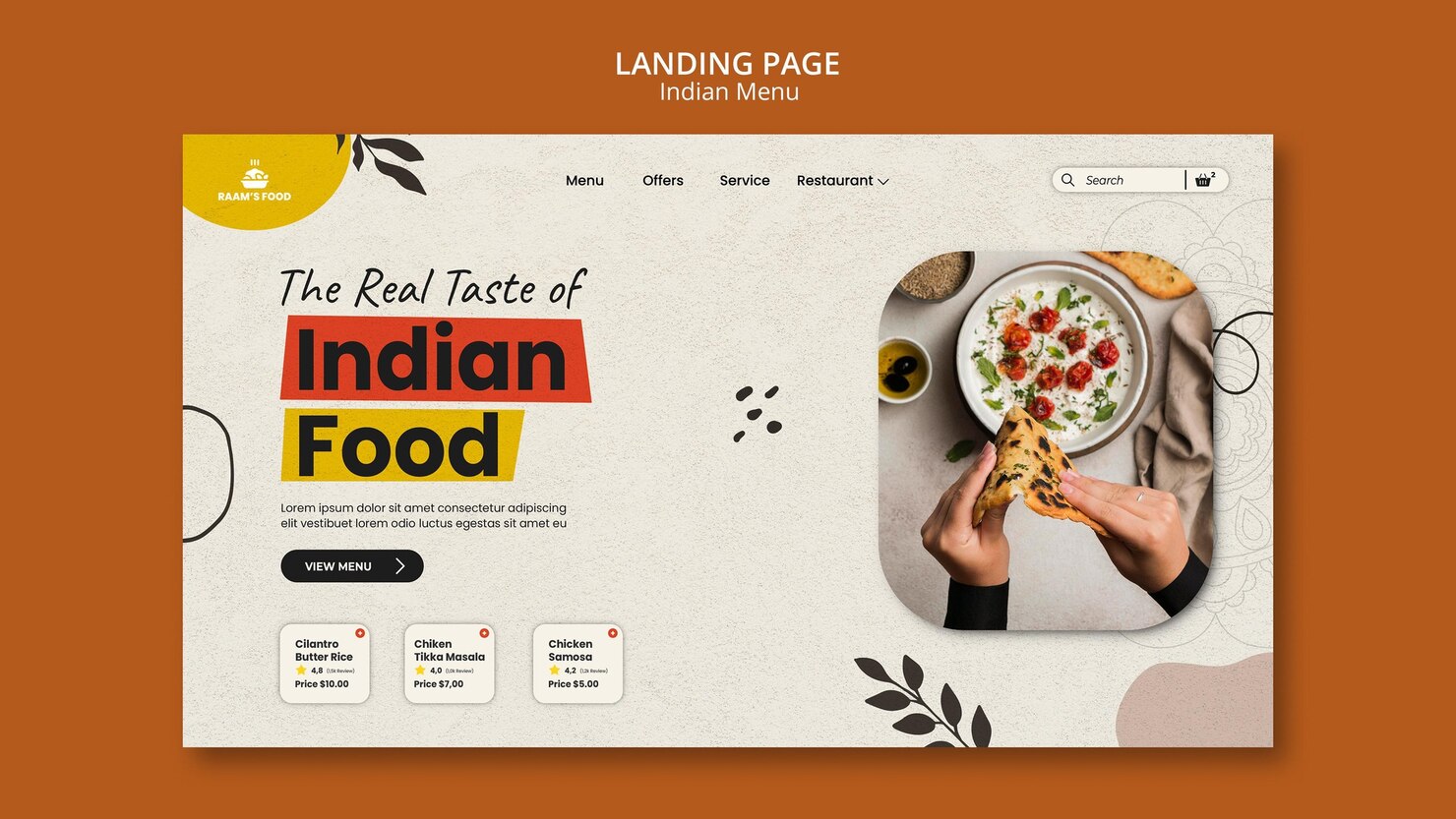
The restaurant landscape has undergone a seismic shift, with a significant portion of the customer journey now starting online. Diners routinely search for new places to eat, check menus, read reviews, and make reservations from their smartphones or computers. Without a professional, user-friendly website, restaurants risk becoming invisible to a large segment of their potential customer base. A robust online presence serves multiple critical functions, extending beyond mere visibility to encompass operational efficiency, brand building, and direct communication.
- Increased Visibility and Discovery: A website acts as your restaurant’s digital billboard, making it discoverable through search engines like Google, Bing, and even voice assistants. It’s often the first point of contact for potential customers who are actively looking for dining options in their area.
- Meet Customer Expectations: Modern diners expect instant access to information. They want to see your menu, check operating hours, view photos of your ambiance and dishes, and easily find contact details or booking options. A lack of this fundamental information can deter them from choosing your establishment.
- Establish Credibility and Trust: A professionally designed website signals legitimacy and attention to detail. It builds trust by showcasing your brand, hygiene standards, and commitment to quality, which is paramount in the food service industry. Conversely, an outdated or non-existent website can raise red flags.
- Powerful Marketing Tool: Your website is the central hub for all your marketing efforts. It provides a platform to promote specials, events, loyalty programs, and gather customer feedback. It also serves as a landing page for social media campaigns, email marketing, and online advertisements.
- Showcase Your Unique Brand Story: Beyond just information, a website offers the perfect canvas to tell your restaurant’s story. Share your culinary philosophy, the inspiration behind your menu, your chef’s journey, or your establishment’s history. This emotional connection can foster loyalty and differentiate you from competitors.
- Direct Sales and Reservations: Implement online ordering systems for takeout and delivery, or integrated reservation platforms. These features provide convenience for customers and generate direct revenue, reducing reliance on third-party aggregators that often charge high commissions.
Key Features & Requirements
A high-performing Website Design for Restaurants must integrate a specific set of features to meet both customer needs and business objectives. These elements ensure a seamless user experience, facilitate transactions, and provide essential information.
Core Features for Restaurant Websites
Here are the essential components every restaurant website should consider:
- Dynamic Menu Management: This is arguably the most crucial feature. The menu should be easy to navigate, clearly priced, and ideally include high-quality photos of dishes. It needs to be easily updatable for seasonal changes, daily specials, or price adjustments. Consider filtering options for dietary restrictions.
- Online Ordering System: For takeout and delivery, an integrated online ordering system is vital. It should be intuitive for customers, offer various payment options, and provide clear order tracking.
- Table Reservation System: Enable customers to book tables directly through your website. This reduces phone calls, minimizes no-shows with automated confirmations, and allows for efficient table management.
- Contact Information & Location: Clearly display your address, phone number, email, and operating hours. Integrate an interactive map (e.g., Google Maps) for easy navigation.
- High-Quality Image Gallery/Video Tour: Showcase your restaurant’s ambiance, signature dishes, and overall experience with professional photography and videography. Visuals are incredibly powerful in enticing diners.
- Customer Testimonials & Reviews: Integrate a section for customer feedback or link to popular review sites (Yelp, TripAdvisor, Google Reviews). Positive reviews build social proof and trust.
- Mobile Responsiveness: Over 70% of restaurant searches occur on mobile devices. Your website MUST adapt perfectly to all screen sizes (smartphones, tablets) for optimal usability.
- Search Engine Optimization (SEO): Implement on-page SEO best practices to ensure your website ranks highly for relevant local search terms. This includes optimizing titles, descriptions, content, and local schema markup.
- Security (SSL Certificate): Protect user data and transactions with an SSL certificate, which encrypts information exchanged between the user and the website. Google also favors secure sites.
- Analytics & Reporting: Integrate tools like Google Analytics to track website traffic, user behavior, popular pages, and conversion rates. This data is invaluable for refining your online strategy.
- Social Media Integration: Link to your restaurant’s social media profiles (Facebook, Instagram, Twitter) to foster community engagement and broaden your online reach.
- About Us / Our Story: Share your restaurant’s unique narrative, mission, and the passion behind your food. This helps customers connect with your brand on a deeper level.
- Event & Catering Information: If applicable, dedicate sections to private events, catering services, or special promotions.
Technical Requirements and Considerations
| Requirement | Description | Importance |
|---|---|---|
| Fast Loading Speed | Optimized images, efficient code, and good hosting to ensure pages load quickly. | Critical for user experience and SEO. High bounce rates for slow sites. |
| Intuitive Navigation | Clear, logical menu structure that makes it easy for users to find information quickly. | Essential for user satisfaction and conversion (e.g., reservations). |
| Accessibility (WCAG) | Designing the site to be usable by people with disabilities (e.g., screen readers). | Legal compliance and expanding your potential customer base. |
| Scalability | The ability of the website to handle increased traffic and new features as the business grows. | Future-proofing your investment; avoids costly redevelopments. |
| Content Management System (CMS) | A user-friendly backend (e.g., WordPress) for easily updating content, menus, and promotions. | Empowers restaurant staff to make updates without needing a developer. |
| Email List Signup | A clear call-to-action for visitors to subscribe to newsletters for promotions. | Direct marketing channel for repeat business and special offers. |
Benefits of a Professional Website
Investing in professional Website Design for Restaurants yields a multitude of advantages that directly impact your bottom line and long-term success. These benefits extend beyond mere aesthetics, encompassing operational efficiency, marketing prowess, and deeper customer engagement.
Enhanced Online Visibility and Discoverability
A professionally designed and SEO-optimized website dramatically increases your chances of appearing prominently in search engine results. When potential diners search for restaurants “near me” or specific cuisine types, your site becomes a prime candidate for discovery. This organic visibility is highly valuable, attracting customers who are actively looking to dine out.
Improved Customer Convenience and Experience
Customers today value convenience above almost all else. A website that allows them to effortlessly browse your menu, make reservations, or place online orders from any device provides an unparalleled level of convenience. This streamlined experience translates into higher customer satisfaction and repeat business.
Stronger Brand Identity and Reputation
Your website is an extension of your restaurant’s brand. Professional Website Design for Restaurants ensures that your online presence accurately reflects your restaurant’s ambiance, values, and culinary style. Consistent branding across all platforms builds a strong, recognizable identity, while a well-maintained site enhances your reputation as a modern and reliable establishment.
Direct Marketing and Communication Channel
Unlike third-party platforms, your website gives you complete control over your marketing messages. You can promote daily specials, upcoming events, loyalty programs, or new menu items without external interference. It also serves as a direct communication channel for customer inquiries and feedback, fostering a stronger relationship with your patrons.
Data Insights for Business Growth
Integrating analytics tools into your website provides invaluable insights into customer behavior. You can track popular menu items, peak ordering times, geographical demographics of your audience, and the effectiveness of your marketing campaigns. This data empowers you to make informed business decisions, optimize your offerings, and refine your marketing strategies for maximum impact.
Competitive Edge in a Crowded Market
In a competitive industry, a superior website can be a significant differentiator. While many restaurants might have a basic online presence, a truly professional and feature-rich site sets you apart. It demonstrates innovation, customer-centricity, and a commitment to excellence, making you a more attractive option compared to competitors with less impressive digital footprints.
Increased Revenue Streams and Reduced Costs
By implementing direct online ordering and reservation systems, you can significantly reduce reliance on third-party aggregators that often charge substantial commissions. This directly boosts your profit margins. Furthermore, a robust online presence can decrease the need for expensive traditional advertising by attracting organic traffic and leveraging cost-effective digital marketing strategies.
Step-by-Step Website Development Process
Developing an effective website for your restaurant involves a structured approach to ensure all aspects are covered, from initial concept to ongoing maintenance. This systematic process ensures efficiency and a high-quality end product.
1. Discovery and Planning
This initial phase is crucial for laying the groundwork. It involves understanding your restaurant’s unique identity, target audience, and business goals. Define the website’s primary purpose (e.g., online ordering, reservations, brand showcase). Research competitors’ websites to identify best practices and potential areas for differentiation. Create a sitemap to outline the website’s structure and key pages, and define the required features. This is where you establish the vision for your Website Design for Restaurants.
2. Design and User Experience (UX)
Based on the planning phase, designers create wireframes and mockups that visually represent the website’s layout and user flow. The focus here is on intuitive navigation, visual appeal, and creating an engaging user experience that aligns with your restaurant’s brand. Choose a color scheme, typography, and imagery that evoke your restaurant’s atmosphere. Ensure the design is responsive, meaning it will adapt seamlessly to various devices.
3. Content Creation and Optimization
High-quality content is paramount. This includes writing compelling text for your ‘About Us’ page, crafting engaging descriptions for your menu items, and acquiring professional photographs of your food and interior. Optimize all content for search engines by incorporating relevant keywords (like “Website Design for Restaurants” or specific cuisine terms) naturally. Ensure all details, such as hours, address, and contact information, are accurate and up-to-date.
4. Development and Integration
This is where the design comes to life. Developers build the website using a robust content management system (CMS) like WordPress. They integrate essential functionalities such as online ordering, reservation systems, payment gateways, and contact forms. Ensure the code is clean, efficient, and follows web standards to optimize for speed and search engine crawlability.
5. Testing and Quality Assurance
Before launch, the website undergoes rigorous testing. This includes checking for functionality across different browsers and devices, verifying all links and forms work correctly, testing loading speeds, and ensuring payment gateways are secure. Proofread all content for typos and grammatical errors. Gather feedback from a small group of users to identify any usability issues.
6. Launch and Deployment
Once thoroughly tested and approved, the website is officially launched. This involves hosting the site on a reliable server and configuring the domain name. Submit your sitemap to search engines (Google Search Console) to facilitate indexing, and ensure Google My Business is updated with your new website URL.
7. Post-Launch Maintenance and Updates
A website is never truly “finished.” Ongoing maintenance is crucial for security, performance, and keeping content fresh. This includes regular software updates, security checks, backing up data, and continually updating your menu, promotions, and event information. Monitor website analytics to identify areas for improvement and adapt your strategy based on user behavior.
Best Practices
To maximize the effectiveness of your Website Design for Restaurants, adhere to these best practices that focus on user experience, performance, and visibility.
- User-Friendly Navigation: Ensure visitors can find information (menu, hours, reservations) within a few clicks. Use clear, descriptive labels for menu items.
- High-Quality Visuals: Professional photos of your dishes, interior, and staff are non-negotiable. They create desire and convey professionalism. Videos can further enhance engagement.
- Mobile-First Design: Prioritize the mobile experience, as most users will access your site on their phones. Ensure fast loading times and easy navigation on small screens.
- Clear Calls to Action (CTAs): Guide users with prominent buttons for “Order Online,” “Make a Reservation,” “View Menu,” or “Get Directions.”
- Fast Loading Speed: Optimize images, leverage browser caching, and choose a reliable hosting provider to ensure your site loads in under 3 seconds. Slow sites deter visitors and harm SEO.
- Local SEO Optimization: Implement local schema markup, ensure your Google My Business profile is fully optimized, and include your address, phone number, and operating hours prominently on every page.
- Regular Content Updates: Keep your menu, specials, events calendar, and blog posts fresh. This not only provides current information but also signals to search engines that your site is active and relevant.
- Accessibility: Design your website to be usable by everyone, including those with disabilities. Use clear fonts, sufficient color contrast, and provide alternative text for images.
- Secure Website (HTTPS): Always use an SSL certificate to protect user data and boost your site’s credibility and search ranking.
- Integrate Online Reviews: Showcase positive customer feedback and provide direct links to popular review platforms. Social proof is incredibly influential in the restaurant industry.
- Simplify the Online Ordering Process: If you offer online ordering, make it as quick and intuitive as possible. Minimize steps, offer guest checkout, and provide various payment options.
Common Mistakes to Avoid
Even with the best intentions, certain pitfalls can undermine the effectiveness of your Website Design for Restaurants. Being aware of these common mistakes can save you time, money, and missed opportunities.
- Poor Mobile Responsiveness: A website that looks great on a desktop but is clunky or broken on a smartphone is a major turn-off. With the majority of searches happening on mobile, this is a critical failure.
- Slow Loading Times: Visitors have little patience for slow websites. If your pages take more than a few seconds to load, users will likely abandon your site, negatively impacting your bounce rate and search rankings.
- Outdated or Inaccurate Information: Nothing is more frustrating for a customer than finding an outdated menu, incorrect hours, or a non-functional reservation link. Regularly audit your content.
- Lack of Clear Calls to Action: If visitors don’t know what you want them to do next (e.g., “Order Now,” “Book a Table”), they’re likely to leave without converting.
- No SEO Strategy: A beautiful website is useless if no one can find it. Failing to optimize for local SEO means you’re missing out on vital organic traffic.
- Complex Navigation: Overly complicated menus or confusing page structures frustrate users. Keep navigation simple, logical, and consistent across the site.
- Low-Quality Photos or No Photos: Food is a visual experience. Blurry, poorly lit, or generic stock photos do your restaurant a disservice. Invest in professional food photography.
- Ignoring Website Security: Operating without an SSL certificate not only exposes user data but also triggers browser warnings, eroding trust and harming your SEO.
- No Analytics Tracking: Without tools like Google Analytics, you’re flying blind. You won’t know where your visitors come from, what they’re looking at, or how to improve your site.
- Ignoring Customer Feedback: Not having a mechanism for customers to leave feedback or not responding to reviews, whether on your site or third-party platforms, can damage your reputation.
Expert Tips & Industry Insights
Beyond the basics, these expert tips and industry insights can elevate your Website Design for Restaurants and provide a competitive edge in a dynamic market.
- Personalization and AI Integration: Explore using AI-powered chatbots for customer service or personalized recommendations based on past orders or browsing history. Offer a more tailored experience.
- Leverage Storytelling: Don’t just list menu items; tell the story behind your ingredients, your chef’s philosophy, or the inspiration for your restaurant. Engaging narratives create a deeper connection with customers.
- Focus on Local SEO Dominance: Beyond basic optimization, aim to be the top result for all relevant local search terms. Encourage Google reviews, ensure NAP (Name, Address, Phone) consistency across all online directories, and create location-specific content if you have multiple branches.
- Prioritize Accessibility: Go beyond basic compliance. A truly accessible website expands your reach and demonstrates a commitment to serving all potential customers, including those with disabilities.
- Integrate Customer Loyalty Programs: Use your website to host and promote a digital loyalty program, encouraging repeat visits and fostering a dedicated customer base.
- Virtual Tours and 360-Degree Views: Offer immersive virtual tours of your dining space. This gives potential customers a real sense of your ambiance before they even visit.
- User-Generated Content (UGC): Encourage customers to share their experiences and photos, and then feature the best UGC on your website (with permission). This builds authenticity and community.
- Embrace Video Content: Short, engaging videos showcasing your kitchen, the preparation of a signature dish, or interviews with your chef can significantly boost engagement and tell your story more dynamically.
- Real-time Updates for Availability: For very popular restaurants, consider systems that show real-time table availability or estimated wait times, enhancing transparency and managing expectations.
- Sustainability and Sourcing Transparency: If your restaurant has a strong focus on sustainable practices or local sourcing, dedicate a section on your website to highlight these efforts. Customers increasingly value ethical dining choices.
Frequently Asked Questions (FAQs)
Here are common questions about Website Design for Restaurants, optimized for AI Overviews and Featured Snippets:
What is the most crucial feature for a restaurant website?
The most crucial feature for a restaurant website is an intuitive and up-to-date online menu system. Diners primarily visit restaurant websites to view current offerings and prices. A well-organized, visually appealing menu with clear descriptions and allergen information significantly enhances user experience, directly influencing their decision to visit or order from your establishment.
How much does website design for restaurants typically cost?
The cost of Website Design for Restaurants can vary significantly, typically ranging from $2,500 to $10,000+ depending on complexity, features, and whether you opt for a custom build or a template-based solution. Basic sites with template designs and essential features might start lower, while highly customized designs with integrated online ordering, reservation systems, and advanced SEO will be at the higher end.
Why is mobile responsiveness so important for a restaurant’s website?
Mobile responsiveness is paramount for a restaurant’s website because the majority of diners search for dining options on their smartphones and tablets. A mobile-friendly design ensures your site loads quickly, displays correctly, and is easy to navigate on smaller screens, preventing frustration and increasing the likelihood that potential customers will engage with your restaurant.
Should a restaurant website include an online ordering system?
Yes, a restaurant website should absolutely include an online ordering system, especially for takeout and delivery. Integrating this feature provides immense convenience for customers, allows the restaurant to capture direct orders without relying on high-commission third-party apps, and significantly boosts direct revenue streams and customer loyalty.
What SEO elements are essential for a restaurant website?
Essential SEO elements for a restaurant website include optimized local SEO (Google My Business, NAP consistency), a mobile-first design, fast loading speeds, relevant keywords naturally integrated into content, high-quality images with alt text, schema markup for menus and business information, and an SSL certificate. These elements ensure high visibility in local search results and improve user experience.
Editorial Note:
This content has been prepared using publicly available information, editorial research and automated content assistance. Information is periodically reviewed and updated for accuracy.
Image Credit:
Image Source: Publicly available profile images and media sources. All rights belong to their respective owners.