
Website Design for Lawyers is no longer a luxury but a fundamental necessity for any legal practice aiming to thrive in the digital age. A well-crafted online presence serves as your firm’s virtual storefront, its most powerful marketing tool, and a crucial touchpoint for potential clients seeking legal assistance. In an increasingly competitive landscape where individuals turn to search engines for solutions to their legal challenges, a professional, user-friendly, and SEO-optimized website can be the deciding factor between acquiring a new client and losing them to a competitor. This comprehensive guide will delve into the essential elements, benefits, and best practices involved in creating an effective website specifically tailored for legal professionals, ensuring your firm stands out and reaches its target audience effectively. We will explore how strategic website design can enhance your firm’s credibility, streamline client intake, and ultimately drive growth, making it an indispensable asset for modern legal practices.
Table of Contents
Why This Industry Needs a Professional Website
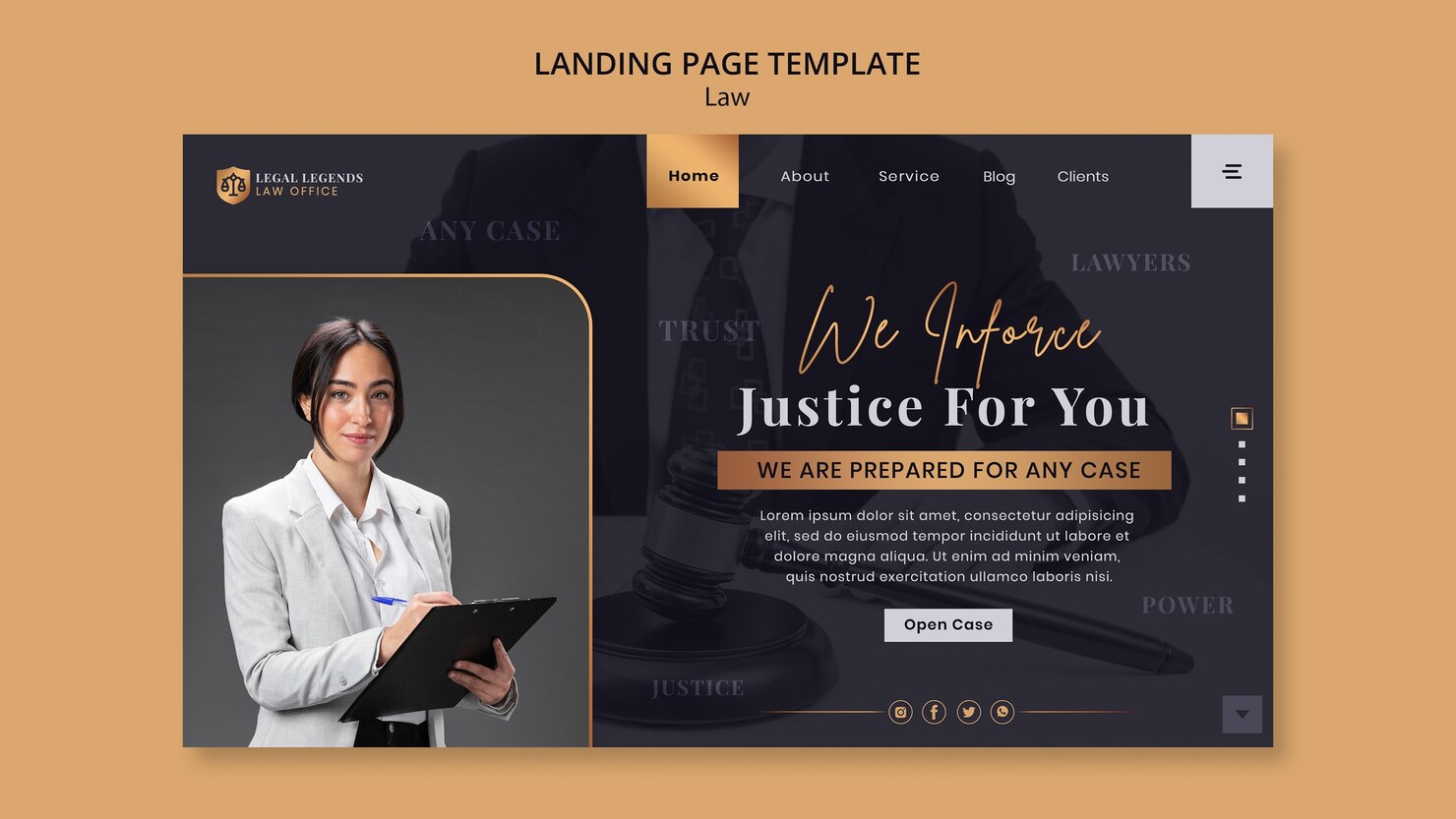
The legal industry, traditionally reliant on referrals and word-of-mouth, has undergone a significant transformation with the advent of the internet. Today, a professional website for lawyers is indispensable for several compelling reasons:
Establishing Credibility and Trust
Potential clients overwhelmingly research law firms online before making contact. A professionally designed website instills immediate trust and credibility, showcasing your firm’s expertise, experience, and commitment to client service. Conversely, an outdated or poorly designed site can raise red flags, deterring prospective clients even before they learn about your legal prowess.
24/7 Accessibility and Information Hub
Unlike a physical office, a website operates around the clock, providing potential clients with access to vital information whenever they need it. They can learn about your practice areas, read attorney bios, understand your approach to cases, and access contact details outside of traditional business hours. This constant availability ensures you never miss an opportunity to connect with someone in need of legal help.
Client Acquisition and Lead Generation
For many law firms, their website is their primary engine for new client acquisition. Through effective search engine optimization (SEO), your site can rank highly for relevant legal search terms, drawing in qualified leads who are actively seeking the services you offer. Integrated contact forms, consultation requests, and live chat features convert these visitors into tangible leads, fueling your firm’s growth.
Showcasing Expertise and Authority
A dedicated blog or resources section allows lawyers to share valuable insights, publish articles on relevant legal topics, and answer common questions. This positions your firm as a thought leader and an authoritative source of legal information, further solidifying trust and attracting individuals looking for knowledgeable counsel. Demonstrating expertise through content is a cornerstone of effective Website Design for Lawyers.
Competitive Advantage
In a crowded legal market, a superior online presence can provide a significant competitive edge. While many firms have websites, not all are optimized for user experience, search engines, or conversion. Investing in top-tier Website Design for Lawyers ensures your firm outshines competitors, captures attention, and effectively communicates its unique value proposition.
Key Features & Requirements
An effective Website Design for Lawyers must incorporate a specific set of features and requirements to meet the unique needs of legal professionals and their clientele. These elements are crucial for both user experience and search engine performance.
Responsive Design for All Devices
Given that a significant portion of internet traffic comes from mobile devices, a responsive website is non-negotiable. Your site must adapt seamlessly to desktops, tablets, and smartphones, providing an optimal viewing and interaction experience regardless of screen size. Google prioritizes mobile-friendly websites in its search rankings, making this a critical SEO factor for Website Design for Lawyers.
Clear and Intuitive Navigation
Visitors seeking legal help are often under stress. A clear, intuitive navigation menu helps them quickly find the information they need, whether it’s specific practice areas, attorney profiles, or contact details. Complex or confusing navigation leads to frustration and high bounce rates.
Compelling Practice Area Pages
Each distinct legal service your firm offers should have its own dedicated, detailed page. These pages should clearly explain the type of law, how your firm helps clients, relevant case studies (anonymized for privacy), and calls to action. These pages are vital for targeting specific search queries related to your legal specializations.
Professional Attorney Bios
Clients choose lawyers, not just law firms. Detailed, professional attorney bios that highlight experience, education, specializations, publications, and personal interests (where appropriate) build rapport and trust. Include high-quality headshots and links to professional social media profiles.
Client Testimonials and Case Results
Social proof is incredibly powerful in the legal industry. Ethical and privacy-compliant client testimonials and summaries of successful case results (without disclosing confidential client information) provide third-party validation and significantly enhance credibility. Ensure adherence to all bar association advertising rules when featuring these.
Secure Contact Forms and Calls to Action (CTAs)
Every page should have clear, prominent calls to action, such as “Schedule a Consultation,” “Get a Case Evaluation,” or “Contact Us.” These CTAs should lead to secure contact forms that are easy to fill out, protecting sensitive client information. Using HTTPS is mandatory for security and SEO for Website Design for Lawyers.
Engaging Legal Blog or Resource Center
A blog is essential for demonstrating expertise, improving SEO by regularly publishing fresh, relevant content, and answering common legal questions. This content attracts organic traffic and positions your firm as an authority in its field. It’s a cornerstone for semantic SEO and topical authority.
Local SEO Optimization
Many legal searches are geographically specific (e.g., “divorce lawyer near me”). Your website must be optimized for local SEO, including clear display of your firm’s address, phone number, and consistent NAP (Name, Address, Phone) information across all online directories, especially Google My Business.
Accessibility Compliance (ADA)
Ensuring your website is accessible to individuals with disabilities (e.g., screen reader compatibility, keyboard navigation) is not only ethical but increasingly a legal requirement. ADA compliance is a critical aspect of modern Website Design for Lawyers.
Live Chat Functionality
Offering live chat can significantly improve lead capture, allowing potential clients to get immediate answers to simple questions and connect with your firm quickly. This responsiveness can be a differentiator.
Here’s a table summarizing key features:
| Feature Category | Specific Element | Benefit for Lawyers |
|---|---|---|
| User Experience | Responsive Design | Accessible on all devices, improved Google ranking |
| User Experience | Intuitive Navigation | Easy information discovery, reduced bounce rate |
| Content & Authority | Practice Area Pages | Target specific legal services, attract niche clients |
| Content & Authority | Attorney Bios | Build trust and personal connection with lawyers |
| Social Proof | Client Testimonials | Enhance credibility, provide third-party validation |
| Lead Generation | Secure Contact Forms | Efficient and safe client inquiry submission |
| Lead Generation | Clear CTAs | Guide visitors to take desired actions (e.g., consultation) |
| SEO & Authority | Legal Blog/Resources | Improve search rankings, establish thought leadership |
| Local Presence | Local SEO Optimization | Attract local clients, prominent in “near me” searches |
| Compliance | ADA Accessibility | Ethical design, legal compliance, wider audience reach |
| Engagement | Live Chat | Instant communication, improved lead conversion |
Benefits of a Professional Website
Investing in professional Website Design for Lawyers yields a multitude of tangible benefits that directly impact a firm’s growth and reputation.
Enhanced Credibility and Professional Image
A high-quality website immediately elevates your firm’s professional image. It signals to prospective clients that you are modern, tech-savvy, and serious about your practice. This credibility is foundational for building trust, especially in sensitive legal matters where clients seek reliable and competent counsel.
Increased Online Visibility and Reach
Through robust SEO strategies integrated into the Website Design for Lawyers process, your firm can achieve higher rankings in search engine results. This increased visibility means more potential clients will discover your services when actively searching for legal help, extending your reach far beyond traditional referral networks.
Targeted Lead Generation
A professional website is a powerful lead generation tool. By optimizing content for specific practice areas and geographic locations, you can attract highly qualified leads who are actively seeking the exact legal services you offer. Features like online consultation forms and direct calls-to-action streamline the conversion of visitors into potential clients.
Competitive Differentiation
In a crowded legal market, a distinctive and effective website sets your firm apart. It allows you to showcase your unique value proposition, firm culture, and the specific expertise that makes you the best choice. This differentiation is crucial for standing out against competitors who may have less sophisticated or outdated online presences.
24/7 Marketing and Client Service
Your website functions as an always-on marketing asset, working tirelessly to inform, engage, and convert visitors, even outside of business hours. It also acts as a primary information hub, answering common client questions and reducing the burden on administrative staff, thereby improving overall client service efficiency.
Cost-Effective Marketing Solution
While an initial investment is required, a professional website offers a highly cost-effective long-term marketing solution compared to traditional advertising methods. It provides a foundational platform for all other digital marketing efforts, including content marketing, social media, and paid advertising, yielding a strong return on investment.
Improved Client Communication and Engagement
Features such as client portals (secure login areas), online scheduling, and frequently updated legal blogs facilitate better communication and engagement. Clients can easily access case updates, make appointments, or stay informed about legal developments relevant to their needs, fostering stronger client relationships.
Step-by-Step Website Development Process
Developing a professional legal website involves a structured process to ensure all objectives are met, from initial concept to launch and ongoing maintenance. This systematic approach is key to successful Website Design for Lawyers.
1. Discovery and Planning
- Define Goals: What do you want your website to achieve? (e.g., attract new clients, establish authority, provide resources).
- Target Audience: Who are you trying to reach? (e.g., individuals needing family law, businesses requiring corporate legal advice).
- Competitor Analysis: Research what successful law firms are doing online and identify opportunities for differentiation.
- Sitemap & Structure: Map out all pages and their hierarchy, ensuring logical flow and user-friendliness.
- Content Strategy: Plan key practice area content, attorney bios, blog topics, and call-to-action messaging.
2. Design and User Experience (UX)
- Wireframing: Create basic visual guides of page layouts to define content areas and navigation.
- Mockups: Develop high-fidelity visual designs, including color schemes, typography, and imagery, reflecting your firm’s brand.
- User Interface (UI) Design: Focus on aesthetic appeal and interactivity, ensuring a professional and trustworthy look.
- Mobile-First Approach: Design with mobile users in mind first, then scale up for larger screens to ensure optimal responsiveness.
3. Content Creation and Optimization
- Compelling Copywriting: Write engaging, informative, and SEO-friendly content for all pages, including practice areas, attorney bios, and FAQs.
- Keyword Research: Identify high-intent legal keywords relevant to your services and integrate them naturally into content.
- Visuals: Source high-quality images, attorney headshots, and potentially firm videos that convey professionalism and approachability.
- SEO Integration: Optimize meta titles, descriptions, headings, and image alt tags for search engines.
4. Development and Coding
- Platform Selection: Choose a robust and secure content management system (CMS) like WordPress (with appropriate security measures) that suits your firm’s needs.
- Front-End Development: Code the visual aspects of the site (HTML, CSS, JavaScript) to match the approved designs.
- Back-End Development: Implement server-side logic, database integration, and secure functionalities like contact forms and client portals.
- Security Measures: Implement SSL certificates, firewalls, and regular backups to protect sensitive data and maintain trust.
5. Testing and Quality Assurance
- Functionality Testing: Ensure all links, forms, and interactive elements work correctly.
- Cross-Browser/Device Testing: Verify the website displays and functions properly across various browsers and devices (desktop, tablet, mobile).
- Performance Testing: Check page load speeds and overall site performance.
- Security Audits: Conduct vulnerability scans to identify and fix potential security weaknesses.
- Content Review: Proofread all text for accuracy, grammar, and consistency.
6. Launch and Post-Launch
- Deployment: Move the website from a staging environment to the live server.
- Analytics Setup: Integrate tools like Google Analytics to track website performance, traffic, and user behavior.
- Search Engine Submission: Submit your sitemap to Google Search Console and other relevant search engines.
- Ongoing Maintenance: Regularly update content, software, and security protocols. Monitor performance and make continuous improvements based on analytics data. This crucial step ensures the longevity and effectiveness of your Website Design for Lawyers.
Best Practices
Adhering to best practices in Website Design for Lawyers is paramount for creating a site that is not only visually appealing but also highly effective in achieving its goals.
Prioritize User Experience (UX)
A positive user experience is central to conversion. Ensure your site is easy to navigate, loads quickly, and provides clear, concise information. Intuitive design reduces frustration and encourages visitors to explore your services further. Focus on logical layouts, readable fonts, and consistent branding.
Robust Search Engine Optimization (SEO)
SEO is not an afterthought; it must be integrated into every stage of Website Design for Lawyers. This includes keyword research, on-page optimization (meta tags, headings, content), technical SEO (site speed, mobile-friendliness, structured data), and local SEO strategies to rank well for relevant legal searches. Regularly monitor SEO performance and adapt your strategy.
Mobile-First Design and Responsiveness
With most users accessing the internet via mobile, designing for mobile devices first is essential. A responsive design ensures your site looks and functions flawlessly across all screen sizes, improving user experience and satisfying Google’s mobile-first indexing requirements.
High-Quality, Engaging Content
Content is king, especially for legal websites. Provide authoritative, informative, and easy-to-understand content on your practice areas, a regularly updated blog, and attorney profiles. Use clear language, avoid excessive jargon, and focus on addressing potential clients’ pain points and questions. High-quality content builds trust and boosts SEO.
Strong Calls to Action (CTAs)
Every key page should have clear, compelling calls to action that guide visitors towards the next step. Whether it’s “Schedule a Free Consultation,” “Download Our Legal Guide,” or “Contact Us Now,” CTAs should be prominent and lead to easy-to-use forms or contact details. These are crucial for lead conversion in Website Design for Lawyers.
Website Security (HTTPS)
Legal websites handle sensitive information. An SSL certificate (HTTPS) is non-negotiable for encrypting data transferred between the user and your site, protecting privacy, and building trust. Google also favors HTTPS sites in search rankings.
Fast Page Loading Speed
Users expect websites to load almost instantly. Slow loading times lead to high bounce rates and negatively impact SEO. Optimize images, leverage browser caching, and use efficient code to ensure your site loads quickly on all devices.
Analytics and Performance Monitoring
Implement tools like Google Analytics to track visitor behavior, traffic sources, and conversion rates. Regularly review this data to understand what’s working and identify areas for improvement. This data-driven approach is vital for refining your Website Design for Lawyers and marketing efforts.
Common Mistakes to Avoid
Even with the best intentions, law firms can make critical errors in their website design and development that hinder their online success. Avoiding these common pitfalls is crucial for effective Website Design for Lawyers.
Outdated or Unprofessional Design
A website that looks like it’s from the early 2000s immediately erodes trust and professionalism. Visitors expect modern aesthetics, clean layouts, and intuitive interfaces. An outdated design signals a lack of attention to detail and can make your firm appear less competent or current.
Poor Mobile Responsiveness
Failing to optimize your site for mobile devices is a critical error. With the majority of internet traffic originating from smartphones and tablets, a non-responsive site will alienate a large segment of your potential clientele and significantly harm your search engine rankings due to Google’s mobile-first indexing.
Lack of Clear Calls to Action (CTAs)
A beautiful website is ineffective if visitors don’t know what to do next. Missing or unclear CTAs mean lost opportunities for lead generation. Every key page should clearly guide visitors towards desired actions, such as scheduling a consultation or filling out a contact form.
Neglecting Search Engine Optimization (SEO)
Building a website without considering SEO is like opening a shop in the middle of nowhere. Without proper keyword research, on-page optimization, and technical SEO, your site will struggle to rank in search results, making it difficult for potential clients to find you organically. This is a common, yet easily avoidable, oversight in Website Design for Lawyers.
Slow Page Loading Speed
Patience is scarce online. Websites that take more than a few seconds to load will see visitors abandon them. Slow speeds frustrate users and negatively impact your SEO. Optimize images, minimize code, and choose reliable hosting to ensure your site loads quickly.
Overuse of Legal Jargon
While you’re an expert in law, most of your potential clients are not. Avoid overly complex legal terminology that can confuse or intimidate visitors. Use clear, plain language that explains legal concepts in an accessible way, demonstrating your ability to communicate effectively with clients.
Inadequate Security Measures
Not having an SSL certificate (HTTPS) or robust security protocols is a serious mistake for legal websites that often handle confidential information. Security breaches can destroy trust and lead to legal repercussions. Ensure your Website Design for Lawyers prioritizes data protection.
Forgetting About Analytics and Regular Updates
A website is not a “set it and forget it” asset. Failing to monitor website analytics means you won’t understand user behavior or identify areas for improvement. Neglecting regular content updates, security patches, and software upgrades can lead to an outdated, vulnerable, and underperforming site.
Expert Tips & Industry Insights
To truly excel in the digital realm, law firms need to move beyond the basics and embrace advanced strategies in their Website Design for Lawyers. These expert tips and industry insights can provide a significant competitive advantage.
Embrace Niche Specialization in Content
Rather than trying to be a generalist, focus your website’s content on specific legal niches where your firm excels. For instance, instead of just “family law,” create detailed content around “high-net-worth divorce” or “child custody mediation.” This targeted approach helps you rank higher for specific, less competitive keywords and attracts highly qualified leads who know exactly what they need. This deep dives into specific entities will improve topical authority.
Integrate Video Content Strategically
Video is a powerful engagement tool. Include short, professional videos on your site, such as attorney introductions, explanations of complex legal processes, client testimonials, or a firm overview. Videos enhance user engagement, improve time spent on page, and can explain intricate legal concepts more accessibly than text alone. They also make your Website Design for Lawyers more dynamic and personal.
Prioritize Online Reputation Management
Your website is a central hub for your online reputation. Actively encourage satisfied clients to leave reviews on Google My Business and other legal directories, and consider integrating these (ethically) into your website. Address negative feedback professionally and promptly. A strong online reputation built through credible reviews directly impacts potential clients’ trust.
Leverage AI Tools for Efficiency and Enhancement
Explore how AI can enhance your website. AI-powered chatbots can handle initial inquiries, answer common FAQs, and qualify leads 24/7. AI can also assist with content generation outlines, SEO analysis, and personalizing user experiences, making your Website Design for Lawyers smarter and more efficient. For example, AI can help identify search intent gaps in your content strategy.
Stay Compliant with Legal Ethics and Advertising Rules
Always ensure your website content and marketing strategies comply with your state bar association’s rules on attorney advertising and ethics. This includes disclaimers, proper handling of client testimonials, and avoiding misleading claims. A breach of these rules can have severe consequences for your firm.
Focus on E-E-A-T (Experience, Expertise, Authoritativeness, Trustworthiness)
Google’s E-E-A-T guidelines are especially critical for Your Money Your Life (YMYL) topics like legal advice. Ensure your website clearly demonstrates the experience, expertise, authority, and trustworthiness of your attorneys and firm. This means detailed attorney bios, robust content written by legal professionals, secure hosting, and transparent contact information. This is foundational for SEO and Generative Engine Optimization.
Implement Structured Data (Schema Markup)
Use schema markup to help search engines better understand the content on your site, such as your firm’s organization, local business details, attorney profiles, and legal service offerings. This can lead to richer search results (rich snippets), improving click-through rates and visibility in AI Overviews. For Website Design for Lawyers, local business schema is particularly important.
Cultivate a Strong Brand Story
Your firm has a unique story, values, and approach. Weave this narrative throughout your website design and content. A compelling brand story helps potential clients connect with your firm on an emotional level, differentiating you from competitors and building loyalty. This human element is crucial in the legal field.
Frequently Asked Questions (FAQs)
These frequently asked questions address common concerns about Website Design for Lawyers, providing concise and direct answers optimized for AI Overviews and Featured Snippets.
What specific features should a law firm website include to attract new clients?
To attract new clients, a law firm website should prominently feature responsive design for mobile users, clear practice area descriptions, professional attorney bios, ethical client testimonials, and conspicuous calls to action like “Schedule a Consultation.” It must also include secure contact forms, a robust legal blog for thought leadership, and strong local SEO optimization to capture geographically relevant searches, ensuring all critical information is easily accessible and trustworthy.
How much does professional website design for lawyers typically cost?
The cost of professional website design for lawyers varies significantly, typically ranging from $5,000 to $50,000 or more, depending on complexity, features, and the agency’s expertise. Factors influencing price include custom design vs. template, number of pages, integration of advanced functionalities like client portals, extensive SEO, and ongoing maintenance. A basic, high-quality site might start around $5,000-$10,000, while a bespoke, fully integrated solution for larger firms could easily exceed $25,000, making it a tailored investment.
Why is SEO crucial for legal websites in today’s digital landscape?
SEO is crucial for legal websites because it ensures your firm appears prominently when potential clients search for legal services online, directly impacting lead generation and client acquisition. Without effective SEO, your professionally designed website remains undiscovered, hidden beneath competitors. It drives organic traffic, establishes your firm as an authoritative source in its practice areas, builds trust, and provides a cost-effective long-term marketing strategy, directly translating into increased visibility and client growth for Website Design for Lawyers.
How often should a lawyer’s website be updated or redesigned to remain effective?
A lawyer’s website should ideally undergo significant updates or a full redesign every 3-5 years to remain effective, adapting to evolving web technologies, design trends, and Google’s algorithm changes. Minor content updates, security patches, and performance optimizations should occur monthly or quarterly. Regular maintenance ensures the site remains secure, fast, mobile-friendly, and continually optimized for SEO, preventing it from becoming outdated and losing its competitive edge or relevance for potential clients searching for legal services.
What role does mobile responsiveness play in effective Website Design for Lawyers?
Mobile responsiveness plays a critical role in effective Website Design for Lawyers because the majority of potential clients access websites via smartphones and tablets. A mobile-friendly site provides an optimal user experience across all devices, preventing frustration and high bounce rates. Crucially, Google uses mobile-first indexing, meaning a non-responsive site will be penalized in search rankings, severely limiting your firm’s visibility and ability to attract new clients who are predominantly searching for legal help on their mobile devices.
Editorial Note:
This content has been prepared using publicly available information, editorial research and automated content assistance. Information is periodically reviewed and updated for accuracy.
Image Credit:
Image Source: Publicly available profile images and media sources. All rights belong to their respective owners.