Website Design for Construction Companies is no longer a luxury but a fundamental necessity for establishing a strong market presence and securing future projects. In today’s highly competitive digital landscape, a professional, well-optimized website serves as the cornerstone of a construction company’s marketing strategy, offering a platform to showcase expertise, highlight completed projects, attract new clients, and recruit top talent. This comprehensive guide will explore the critical elements, benefits, and best practices involved in creating a website that not only looks impressive but also drives tangible business results for construction firms of all sizes.
Table of Contents
Why This Industry Needs a Professional Website
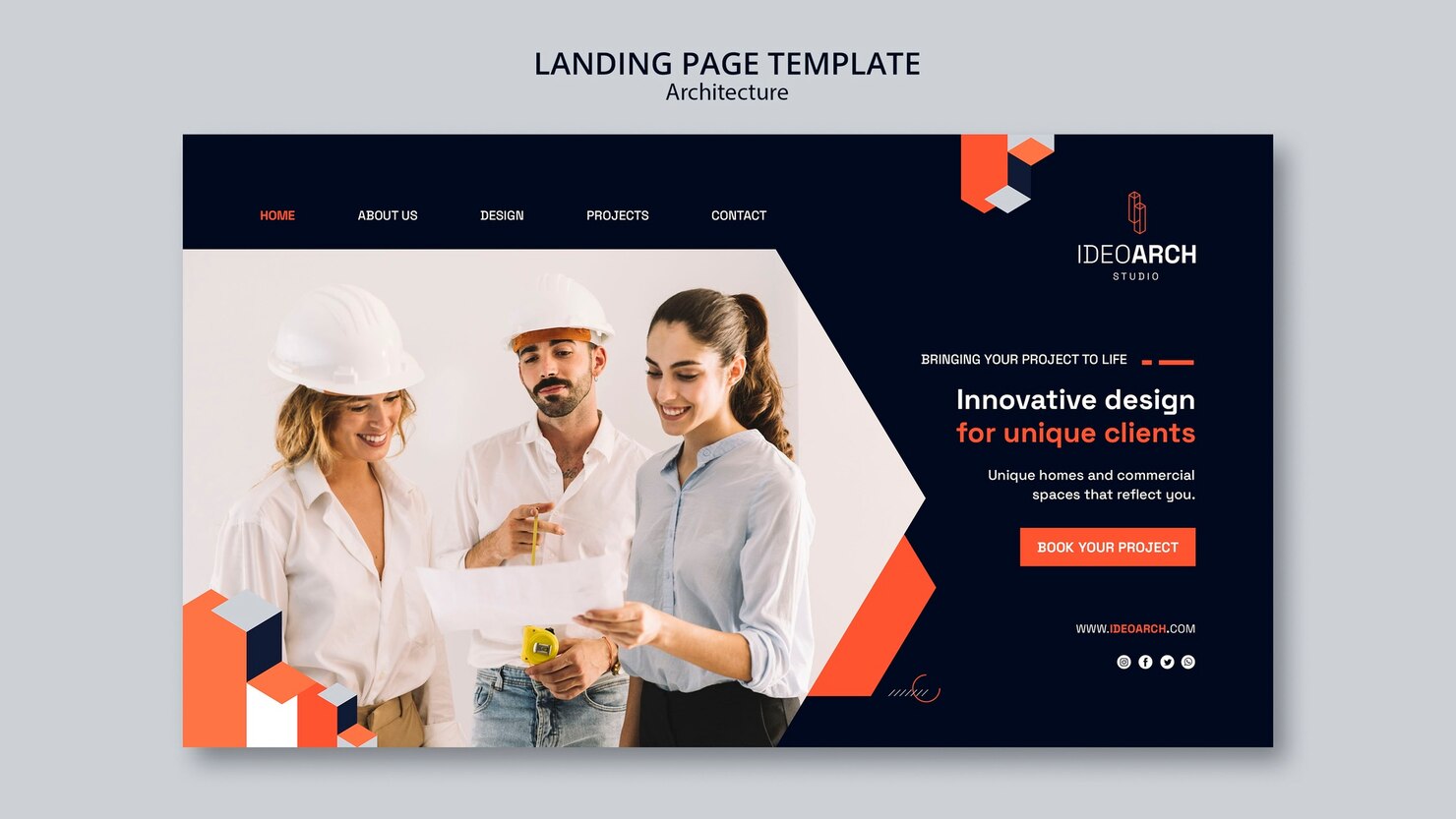
The construction industry, traditionally reliant on word-of-mouth and direct referrals, has undergone a significant transformation. Modern clients, whether commercial developers or individual homeowners, begin their search for contractors online. A professional website acts as your 24/7 digital storefront, a credible portfolio, and a powerful communication tool. Without a robust online presence, construction companies risk falling behind competitors who have embraced digital marketing. It’s about building trust and demonstrating capability before the first handshake.
Increased Credibility and Trust
A high-quality website instantly boosts a company’s credibility. It demonstrates professionalism and a commitment to modern business practices. Potential clients often use a company’s website as their first point of reference to vet contractors, looking for signs of reliability, experience, and attention to detail. A poorly designed or outdated site can deter prospects before they even contact you.
Showcasing Expertise and Project Portfolio
Unlike brochures, a website offers unlimited space to present your work. High-resolution images, video tours, client testimonials, and detailed case studies can powerfully illustrate your company’s capabilities across various project types, from residential builds to large-scale commercial developments. This visual evidence is crucial for construction companies, as it allows potential clients to see the quality and scope of your work firsthand.
Generating Qualified Leads and Opportunities
An optimized website is a powerful lead generation machine. Through strategically placed contact forms, request-for-quote options, and clear calls to action, construction companies can capture information from interested prospects. Search engine optimization (SEO) ensures that your site ranks highly for relevant keywords, drawing in users actively searching for construction services in your area, converting online interest into tangible business opportunities.
Recruiting Top Talent
The construction industry faces ongoing challenges in attracting skilled labor. A professional website can also serve as a recruitment hub, featuring career opportunities, company culture, benefits, and testimonials from current employees. This helps present your company as an attractive employer, drawing in the best talent in a competitive job market.
Competitive Advantage
In a saturated market, a superior online presence can be a significant differentiator. While many construction companies still rely on basic online listings, those investing in strategic website design and digital marketing gain a distinct edge. They are more discoverable, more memorable, and perceived as more forward-thinking than their competitors, ultimately leading to more project wins.
Key Features & Requirements for Construction Websites
To be effective, a website for a construction company must incorporate specific functionalities and design elements tailored to the industry’s unique needs. These features ensure the site is not only visually appealing but also highly functional and informative for visitors.
Responsive Design and Mobile-Friendliness
Given that many construction professionals and clients access information on the go, a responsive website design is paramount. This ensures the site adapts seamlessly to any screen size, from desktops to smartphones, providing an optimal viewing and interaction experience for all users, which is also a critical ranking factor for search engines.
Compelling Project Portfolio / Gallery
The heart of any construction website is its project portfolio. This section must be visually rich, easy to navigate, and provide detailed information for each project, including: before-and-after photos, project scope, client testimonials, location, and the challenges overcome. Categorization by project type (e.g., commercial, residential, renovations) or industry sector is highly beneficial.
Clear Services Offered Section
Clearly articulate the range of services your construction company provides. Each service should have its dedicated page with detailed descriptions, relevant images, and examples of past work. This not only informs potential clients but also helps with SEO by targeting specific service-related keywords.
Strong Calls to Action (CTAs)
Every page should guide the user towards the next step, whether it’s requesting a quote, calling for a consultation, viewing the portfolio, or downloading a brochure. CTAs should be prominent, action-oriented, and strategically placed throughout the site to maximize lead generation.
About Us and Team Pages
Building trust begins with transparency. An ‘About Us’ page should tell your company’s story, highlight its mission, values, and history. Dedicated team pages with professional photos and bios of key personnel (project managers, architects, founders) add a personal touch and reinforce expertise, building rapport with potential clients.
Client Testimonials and Reviews
Social proof is incredibly powerful in the construction industry. Integrate testimonials from satisfied clients, ideally with their names, company, and project details. Consider embedding Google reviews or other third-party review platforms to showcase genuine client feedback and bolster credibility.
Contact Forms and Information
Provide multiple easy ways for clients to get in touch. Beyond a standard contact form, include phone numbers, email addresses, physical office locations (with map integration), and links to social media profiles. Ensure quick response times to inquiries to maximize conversion rates.
Blog or News Section
A blog is an excellent tool for content marketing and SEO. It allows construction companies to share industry insights, project updates, safety tips, company news, and expert advice. Regular, high-quality content helps establish authority, drives organic traffic, and keeps the site fresh and engaging.
Safety Information and Compliance
Safety is paramount in construction. Dedicated sections detailing your company’s safety policies, certifications, and commitment to compliance can reassure clients and demonstrate a responsible approach to project management.
Request a Quote / Project Proposal Functionality
Streamline the lead generation process by offering an intuitive ‘Request a Quote’ form. This can gather essential project details upfront, allowing your team to respond more efficiently and accurately, reducing friction in the sales pipeline.
Search Engine Optimization (SEO)
Beyond design, the website must be technically sound for SEO. This includes fast loading speeds, clean code, proper heading structures, meta descriptions, alt text for images, and a sitemap. Effective SEO ensures your site appears prominently when potential clients search for construction services.
Benefits of a Professional Website
Investing in professional website design for construction companies yields a multitude of advantages that directly impact business growth, client acquisition, and operational efficiency.
- Enhanced Market Reach: A website allows you to reach a global audience, beyond local word-of-mouth.
- 24/7 Availability: Your business information and portfolio are accessible at any time, even outside business hours.
- Improved Lead Quality: SEO-optimized content attracts prospects actively searching for your specific services.
- Cost-Effective Marketing: Compared to traditional advertising, digital marketing via a website offers a higher ROI and more measurable results.
- Brand Building: A consistent online presence reinforces your brand identity and values.
- Streamlined Communication: Centralized information reduces repetitive inquiries and provides clients with self-service options.
- Data-Driven Insights: Website analytics provide valuable information on visitor behavior, helping refine marketing strategies.
- Increased Project Volume: A well-designed site with clear CTAs naturally leads to more project inquiries and conversions.
- Adaptability and Scalability: Websites can be updated and expanded as your business grows, adding new services or portfolios with ease.
Step-by-Step Website Development Process
Creating an effective website for a construction company involves a structured approach, ensuring all critical aspects are addressed from initial concept to launch and ongoing maintenance.
1. Discovery and Planning
This initial phase involves understanding your company’s goals, target audience, brand identity, and competitive landscape. It includes:
- Defining project objectives (e.g., lead generation, talent acquisition, showcasing portfolio).
- Identifying target client demographics and their needs.
- Conducting competitor analysis to identify strengths and weaknesses.
- Establishing a site map and content strategy outlining key pages and information flow.
- Determining technology stack and platform (e.g., WordPress, custom CMS).
2. Content Gathering and Creation
High-quality content is the backbone of an effective website. This step involves:
- Collecting existing brand assets: logos, color palettes, fonts.
- Sourcing high-resolution project photos and videos.
- Writing compelling copy for all pages, including services, about us, and project descriptions.
- Developing a content plan for blog posts, testimonials, and case studies.
- Ensuring all content is SEO-friendly and keyword-optimized.
3. Design and Wireframing
This phase translates the planning into visual concepts:
- Creating wireframes and mockups to define the layout and user experience (UX) of each page.
- Designing the visual interface, incorporating branding elements, color schemes, and typography.
- Ensuring an intuitive user interface (UI) and easy navigation.
- Obtaining client feedback and iterations on design drafts.
4. Development and Coding
Once the design is approved, the website is brought to life:
- Coding the website using chosen technologies (HTML, CSS, JavaScript, PHP).
- Implementing the selected Content Management System (CMS).
- Integrating necessary plugins and functionalities (contact forms, galleries, analytics).
- Ensuring responsive design for optimal viewing across all devices.
- Implementing SEO best practices directly into the code structure.
5. Testing and Quality Assurance
Before launch, rigorous testing is crucial to ensure functionality and performance:
- Testing all links, forms, and interactive elements for proper functioning.
- Checking cross-browser compatibility (Chrome, Firefox, Edge, Safari).
- Verifying mobile responsiveness on various devices.
- Conducting speed and performance tests.
- Proofreading all content for grammatical errors and typos.
- Ensuring security measures are in place.
6. Launch and Deployment
The website is ready to go live:
- Migrating the website to the live server.
- Configuring domain name and SSL certificates.
- Submitting the site to search engines (Google Search Console, Bing Webmaster Tools).
- Setting up analytics tracking (Google Analytics 4) to monitor performance.
7. Post-Launch Maintenance and Optimization
A website is never truly ‘finished.’ Ongoing efforts are essential for continued success:
- Regularly updating content, plugins, and CMS software.
- Monitoring website performance and security.
- Analyzing analytics data to identify areas for improvement.
- Implementing ongoing SEO strategies to maintain and improve rankings.
- Collecting user feedback for continuous enhancement.
Best Practices for Construction Company Websites
To maximize the impact and effectiveness of your website, adhere to these best practices tailored for the construction industry.
High-Quality Visuals and Multimedia
Utilize stunning, professional photography and videography of your completed projects. Include drone footage, time-lapse videos of ongoing work, and virtual tours where possible. Visuals are often more impactful than text for showcasing construction prowess.
Focus on User Experience (UX)
Ensure the website is easy to navigate, with clear menus and logical information hierarchy. Users should be able to find what they’re looking for within a few clicks. A frustrating user experience will quickly drive visitors away.
Optimize for Local SEO
For construction companies, local visibility is critical. Optimize your Google My Business profile, include location-specific keywords in your content, build local citations, and ensure your contact information (NAP – Name, Address, Phone) is consistent across all online platforms.
Fast Loading Speeds
Users expect websites to load almost instantly. Optimize images, leverage caching, and minimize code to ensure your site loads quickly. Slow loading times lead to high bounce rates and negatively impact SEO rankings.
Robust Security Measures
Implement SSL certificates (HTTPS), use strong passwords, and regularly update software to protect your website from cyber threats. A secure website builds trust with visitors and protects sensitive data.
Integrate with Social Media
Link your website to your active social media profiles (LinkedIn, Facebook, Instagram, YouTube). Social media can drive traffic to your website and build community engagement around your brand.
Accessibility Compliance
Ensure your website is accessible to all users, including those with disabilities. This includes using proper alt text for images, clear color contrasts, and keyboard navigation. Accessibility is not just about compliance, but also about expanding your potential audience.
Regular Content Updates
Keep your website fresh with new project updates, blog posts, company news, and refreshed testimonials. Stale content can signal a stagnant business and negatively affect search engine rankings.
Common Mistakes to Avoid
While aiming for a powerful online presence, many construction companies inadvertently make mistakes that can hinder their website’s effectiveness. Avoiding these pitfalls is crucial for success.
Outdated and Non-Responsive Design
A website that looks like it’s from the early 2000s or doesn’t adapt to mobile devices immediately conveys a lack of professionalism and attention to detail. This can deter modern clients who expect seamless digital experiences.
Lack of Clear Calls to Action
Without clear instructions on what visitors should do next, many will simply leave your site. Vague or absent CTAs mean missed opportunities for lead generation and client engagement.
Poor Quality or Generic Imagery
Using stock photos that don’t reflect your actual work or low-resolution images can significantly undermine your credibility. Invest in professional photography that truly showcases the quality of your projects.
Ignoring SEO Best Practices
A beautiful website is useless if no one can find it. Neglecting SEO means your site won’t rank in search results, making it invisible to potential clients who are actively looking for your services.
Lack of Fresh Content
A static website without a blog or news section signals a lack of activity or industry engagement. Search engines favor websites that regularly publish fresh, relevant content, and visitors appreciate up-to-date information.
No Analytics Tracking
Without tools like Google Analytics, you can’t understand how users interact with your site, which pages are popular, or where visitors drop off. This lack of data prevents informed decision-making and continuous improvement.
Slow Loading Times
In today’s fast-paced digital world, users have zero patience for slow-loading websites. A few extra seconds can lead to a significant bounce rate, directly impacting your conversion rates and SEO.
Expert Tips & Industry Insights
Staying ahead in the construction industry means embracing innovation and strategically leveraging your digital assets. Here are some expert tips for website design for construction companies.
Integrate Virtual Tours and 3D Renderings
Utilize emerging technologies like virtual reality (VR) tours of completed projects or 3D renderings of proposed designs. This provides an immersive experience for potential clients, allowing them to visualize your work and capabilities in a more engaging way.
Emphasize Sustainability and Green Building Practices
Highlight your company’s commitment to sustainable construction, energy efficiency, and eco-friendly materials. This resonates with a growing segment of clients and demonstrates forward-thinking values, which is increasingly important for corporate and government contracts.
Showcase Company Culture and Values
Beyond projects, share your company’s culture, community involvement, and commitment to employee well-being. This not only attracts talent but also builds a more human connection with clients, demonstrating your company’s integrity and ethical approach to business.
Leverage Video Marketing
Embed short, impactful videos throughout your site: project highlight reels, client testimonials, team introductions, or a ‘day in the life’ on a construction site. Video is highly engaging and effectively communicates complex information quickly.
Utilize Case Studies for Complex Projects
For large or technically challenging projects, develop detailed case studies. These go beyond simple project descriptions, outlining the problem, your solution, the challenges faced, and the successful outcomes. This demonstrates problem-solving capabilities and specialized expertise.
Implement CRM Integration for Lead Management
Connect your website’s contact forms directly to your Customer Relationship Management (CRM) system. This ensures seamless lead capture, tracking, and follow-up, preventing leads from falling through the cracks and improving sales efficiency.
Regularly Review and Update Content Strategy
The construction industry evolves, and so should your content. Regularly review your blog topics, project descriptions, and service offerings to ensure they remain relevant, up-to-date, and aligned with current industry trends and client needs.
Frequently Asked Questions (FAQs)
What are the essential elements for an effective Website Design for Construction Companies?
An effective website design for construction companies typically requires a compelling project portfolio with high-resolution images and videos, a clear services section, client testimonials for social proof, strong calls to action, and comprehensive contact information. Additionally, responsive design for mobile devices and robust local SEO optimization are crucial to ensure visibility and a positive user experience, ultimately helping attract new clients and talent to your firm.
How much does it cost to build a professional website for a construction business?
The cost of building a professional website for a construction business varies widely, typically ranging from $5,000 to $50,000+, depending on complexity, features, and the agency. Factors like custom design, advanced integrations (CRM, project management), extensive content creation, and ongoing SEO services all influence the final price. Small, basic sites might start lower, while large enterprises with bespoke functionalities will incur higher costs. It’s an investment in your digital future.
Why is mobile responsiveness critical for construction company websites?
Mobile responsiveness is critical for construction company websites because many clients, partners, and employees access information on various devices, including smartphones and tablets, often from job sites or on the go. A mobile-friendly design ensures that the website functions and looks good on any screen size, providing an optimal user experience, reducing bounce rates, and significantly improving search engine rankings, as Google prioritizes mobile-first indexing for better visibility.
What SEO strategies are most effective for construction companies?
The most effective SEO strategies for construction companies focus on local SEO, given their geographical service areas. This includes optimizing Google My Business profiles, using location-specific keywords in website content, building local citations, and acquiring local backlinks. Additionally, creating high-quality, valuable content (e.g., project case studies, industry insights), ensuring fast site loading speeds, and optimizing for mobile devices are crucial for ranking higher in search results and attracting qualified leads.
How often should a construction company update its website content and design?
A construction company should aim to update its website content regularly, ideally with new project highlights, blog posts, and company news monthly or quarterly, to keep it fresh and relevant for SEO and visitors. Design updates or major overhauls are typically recommended every 3-5 years, or sooner if there are significant changes in technology, branding, or user experience expectations. Consistent updates signal an active business and improve both user engagement and search engine visibility.
Editorial Note:
This content has been prepared using publicly available information, editorial research and automated content assistance. Information is periodically reviewed and updated for accuracy.
Image Credit:
Image Source: Publicly available profile images and media sources. All rights belong to their respective owners.