
Website Design for Architects is more than just an online brochure; it’s a critical tool for professional architects and firms to effectively showcase their vision, expertise, and unique design philosophy in an increasingly digital world. In a competitive industry where visual appeal and credibility are paramount, a well-crafted website serves as the primary digital storefront, open 24/7. It’s the first impression many potential clients will have, making its design, functionality, and content directly reflective of the quality and professionalism of the architectural services offered. This comprehensive guide delves into the nuances of creating an impactful online presence tailored specifically for the architectural profession.
Table of Contents
Why This Industry Needs a Professional Website
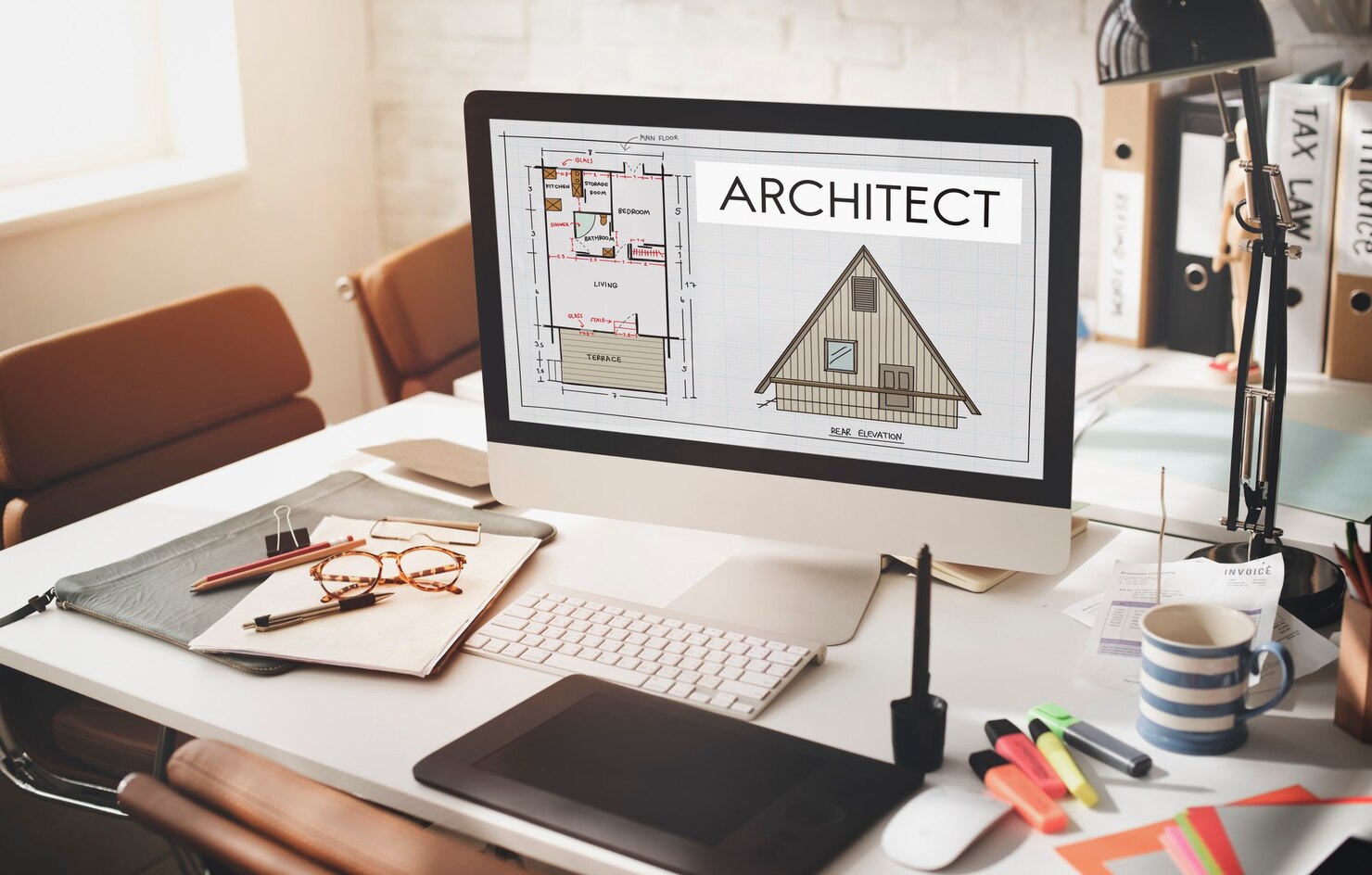
In the architectural realm, reputation and portfolio are everything. A professional website acts as a centralized hub to consolidate these elements, offering numerous advantages over traditional marketing methods.
Establishing Credibility and Trust
A high-quality website immediately lends credibility to an architectural practice. It signals professionalism and a commitment to quality, both in design and in client service. Clients are more likely to trust a firm with a transparent, well-organized digital presence.
Showcasing Your Portfolio Effectively
Architecture is inherently visual. A website provides an unparalleled platform to display high-resolution images, detailed project descriptions, floor plans, and even virtual tours of completed works. This goes far beyond what a physical portfolio or brochure can offer, allowing for rich, immersive storytelling around each project.
Reaching a Wider Audience
Unlike local directories or word-of-mouth, a website can reach potential clients globally. With proper search engine optimization (SEO), an architectural firm can attract clients from various locations who are actively searching for design services, expanding market reach significantly.
24/7 Availability and Information Access
A website operates around the clock, providing information to prospective clients at their convenience, regardless of business hours. This continuous availability ensures that inquiries and information gathering can happen at any time, streamlining the initial client engagement process.
Competitive Advantage
In a crowded market, a superior online presence can be a significant differentiator. Firms with modern, user-friendly websites often stand out against competitors relying on outdated or non-existent digital platforms, attracting more leads and higher-quality projects.
Key Features & Requirements for Architects’ Websites
An architect’s website must blend aesthetic appeal with practical functionality. Certain features are non-negotiable for effectively communicating an architectural firm’s value.
Immersive Project Portfolio
This is the core of any architectural website. It should feature:
- High-Resolution Imagery: Professional photography and renderings of completed projects.
- Detailed Project Descriptions: Contextual information, client goals, design challenges, and solutions.
- Floor Plans & Schematics: Where appropriate, to convey spatial understanding.
- Before & After Shots: To illustrate transformation and impact.
- Video Walkthroughs/Virtual Tours: Offering an immersive experience of the finished design.
- Categorization: Ability to filter projects by type (residential, commercial, interior), style, or location.
Responsive Design
A website must look and function flawlessly on all devices – desktops, laptops, tablets, and smartphones. Given that a significant portion of web traffic comes from mobile, a non-responsive site can lead to a poor user experience and lost opportunities.
Compelling About Us Page
This section humanizes the firm, sharing its philosophy, mission, values, and the team behind the designs. It’s an opportunity to tell the firm’s story, highlight accreditations, and introduce key personnel.
Client Testimonials and Reviews
Social proof is powerful. Displaying positive feedback from past clients builds trust and validates the firm’s expertise and client satisfaction. Consider integrating video testimonials for added authenticity.
Clear Call-to-Actions (CTAs)
Every page should guide the visitor towards the next step, whether it’s viewing the portfolio, contacting the firm, or downloading a brochure. CTAs should be prominent and concise.
User-Friendly Navigation
An intuitive menu structure ensures visitors can easily find the information they need without frustration. Logical categorization and clear labels are crucial.
Contact Information and Forms
Easy access to contact details (phone, email, address) and a functional contact form are essential for lead generation. Consider integrating a map for physical locations.
Blog or News Section
A blog allows architects to share insights, discuss industry trends, publish project updates, and demonstrate thought leadership. This also significantly aids in SEO by providing fresh, relevant content.
SEO Optimization
The website must be built with SEO best practices in mind, ensuring it ranks well for relevant keywords and is easily discoverable by search engines. This includes fast loading times, mobile-friendliness, structured data, and keyword-rich content.
Accessibility Features
Ensuring the website is accessible to people with disabilities (e.g., proper alt text for images, keyboard navigation) is not only good practice but also a legal requirement in many regions.
Benefits of a Professional Website for Architects
Investing in professional Website Design for Architects yields a multitude of benefits that directly impact the growth and sustainability of an architectural practice.
Enhanced Lead Generation
A well-optimized website acts as a 24/7 lead magnet. By attracting visitors through search engines and providing clear pathways to inquiry, it consistently generates high-quality leads that might otherwise be missed.
Stronger Brand Identity
The website is a direct extension of the firm’s brand. A consistent visual language, tone of voice, and design aesthetic across the site reinforces brand identity and makes the firm memorable.
Improved Client Communication
A website can host resources for existing clients, such as project updates, secure client portals, or FAQs, streamlining communication and improving the client experience.
Demonstrating Expertise and Thought Leadership
Through case studies, white papers, and blog posts, architects can showcase their in-depth knowledge and innovative approaches, positioning themselves as leaders in specific niches within the industry.
Reduced Marketing Costs Over Time
While an initial investment is required, a professional website can significantly reduce long-term marketing costs compared to traditional advertising. It provides a foundational platform that can be leveraged for various digital marketing strategies.
Attracting Top Talent
Beyond clients, a strong online presence helps attract skilled architects and designers who are looking for progressive and reputable firms to join. The website reflects the firm’s culture and values.
Step-by-Step Website Development Process
Creating an effective website involves a structured approach, from initial concept to launch and ongoing maintenance. Understanding these steps can help architects navigate the process smoothly.
1. Discovery and Planning
- Define Goals: What do you want your website to achieve (e.g., lead generation, portfolio display, client education)?
- Target Audience: Who are you trying to reach (e.g., residential homeowners, commercial developers)?
- Competitor Analysis: What are other successful architectural firms doing online?
- Content Strategy: What information, images, and videos will be needed?
- Technical Requirements: Hosting, domain name, desired platforms (WordPress, custom build, etc.).
2. Design and User Experience (UX)
- Wireframing: Creating basic layouts to define structure and functionality.
- Mockups: Developing visual designs (colors, typography, imagery) based on branding guidelines.
- User Interface (UI) Design: Focusing on interactive elements and overall aesthetic.
- Feedback and Revisions: Iterating on designs based on client input.
3. Content Creation
- Professional Photography & Videography: Capturing high-quality visuals of projects and team members.
- Copywriting: Crafting compelling text for all pages, optimized for both users and search engines.
- Case Studies: Developing detailed narratives around key projects.
4. Development and Coding
- Front-End Development: Building the user-facing parts of the website (HTML, CSS, JavaScript).
- Back-End Development: Setting up servers, databases, and content management systems (CMS).
- Integration: Connecting contact forms, analytics, and other third-party tools.
5. Testing and Quality Assurance
- Functionality Testing: Ensuring all links, forms, and interactive elements work correctly.
- Responsiveness Testing: Checking appearance and performance across various devices and browsers.
- Performance Testing: Optimizing for loading speed.
- SEO Audit: Verifying technical SEO elements are correctly implemented.
6. Launch and Deployment
- Domain Configuration: Pointing the domain name to the new website.
- Final Checks: A last review before making the site live.
- Analytics Setup: Integrating tools like Google Analytics to track performance.
7. Post-Launch Maintenance and Optimization
- Regular Updates: Keeping software and content fresh.
- Security Monitoring: Protecting against threats.
- Performance Monitoring: Analyzing traffic, user behavior, and conversion rates to identify areas for improvement.
- SEO Refinement: Ongoing optimization to maintain and improve search rankings.
Best Practices for Website Design for Architects
To maximize the impact of your online presence, adhere to these key best practices in Website Design for Architects.
High-Quality Visuals Are Non-Negotiable
Architecture is visual art. Invest in professional photography and videography for your projects. Blurry, poorly lit, or amateur images will detract from your firm’s perceived quality.
Prioritize User Experience (UX)
A website should be intuitive, easy to navigate, and enjoyable to use. Avoid clutter, confusing layouts, and excessive pop-ups. A smooth UX keeps visitors engaged longer.
Optimize for Mobile Devices (Mobile-First Approach)
Design your website with mobile users in mind first, then scale up for larger screens. This ensures excellent performance and usability on smartphones and tablets, which are increasingly used for web browsing.
Ensure Fast Loading Speed
Users expect websites to load quickly. Slow loading times lead to high bounce rates and negatively impact SEO. Optimize images, leverage caching, and use efficient code to keep your site speedy.
Implement Strong SEO Strategies
From keyword research for your target audience to technical SEO (e.g., structured data, clean code) and content optimization (e.g., blog posts), a robust SEO strategy is crucial for discoverability.
Incorporate Clear Calls-to-Action (CTAs)
Guide your visitors. Whether it’s to view a specific project, download a portfolio, or contact your team, make your CTAs clear, compelling, and strategically placed.
Regularly Update Content
Keep your portfolio fresh with new projects, update your blog with relevant industry insights, and ensure all information (contact details, team bios) is current. Fresh content signals an active, thriving practice.
Security (SSL Certificate)
An SSL certificate (HTTPS) encrypts data between the user and your site, protecting privacy. It’s a fundamental security measure that also positively impacts SEO and builds user trust.
Common Mistakes to Avoid in Architect Website Design
Even with good intentions, some common pitfalls can undermine the effectiveness of an architect’s website. Avoiding these can save time, money, and missed opportunities.
| Mistake | Impact | Solution |
|---|---|---|
| Outdated Design | Decreased credibility, poor first impression. | Invest in modern, minimalist design reflecting architectural aesthetics. |
| Poor Quality Imagery | Fails to showcase work effectively, unprofessional look. | Hire professional photographers for project visuals. |
| Lack of Mobile Responsiveness | High bounce rates from mobile users, poor search rankings. | Ensure design is fully responsive and tested across devices. |
| Slow Loading Speed | User frustration, increased bounce rate, negative SEO impact. | Optimize images, use efficient hosting, minimize code. |
| No Clear Call-to-Actions | Visitors don’t know what to do next, lost leads. | Implement prominent and concise CTAs on every relevant page. |
| Sparse or Outdated Content | Lack of information, poor SEO, appears inactive. | Regularly update portfolio, blog, and ‘About Us’ sections. |
| Overly Complex Navigation | User frustration, difficulty finding information. | Keep navigation simple, logical, and intuitive. |
| Ignoring SEO Basics | Website invisible to search engines, no organic traffic. | Conduct keyword research, optimize titles, descriptions, and content. |
Expert Tips & Industry Insights for Architects’ Websites
Leveraging specialized knowledge can elevate your architectural website from good to outstanding, capturing the attention of your ideal clientele and reflecting your firm’s unique value proposition.
Embrace Storytelling in Project Descriptions
Instead of just listing features, tell the story behind each project. Discuss the client’s challenge, your design philosophy, the problem-solving process, and the ultimate impact. This creates an emotional connection and demonstrates your comprehensive approach.
Integrate 3D Renders and Virtual Tours
Go beyond static images. High-quality 3D renderings, animations, and even interactive virtual tours (e.g., Matterport) can provide an immersive experience, allowing potential clients to ‘walk through’ your designs before they are built. This is particularly effective for showcasing unbuilt projects or conveying complex spatial concepts.
Highlight Your Unique Design Philosophy/Niche
What makes your firm different? Do you specialize in sustainable design, historic preservation, modern residential, or large-scale commercial? Clearly articulate your niche and design philosophy on your website. This helps attract clients who specifically seek your expertise.
Showcase Team Personalities (Humanize Your Brand)
Clients often choose architects based on trust and connection. Use your ‘About Us’ section to introduce your team, their expertise, and even a glimpse into their personalities. Professional headshots and short bios can make your firm more approachable and relatable.
Utilize a Blog for Thought Leadership
A blog is not just for SEO; it’s a platform to establish your firm as an authority. Share insights on design trends, construction challenges, material innovations, or regulatory changes. This demonstrates expertise and builds trust with potential clients before they even contact you.
Implement SEO for Local Search
For firms serving a specific geographic area, optimizing for local SEO is crucial. Ensure your Google My Business profile is updated and accurate, and include location-specific keywords on your website to rank for local searches like “architects in [city/region]”.
Consider Client Portal Integration
For ongoing projects, a secure client portal within your website can streamline communication, document sharing, and project tracking, enhancing the overall client experience and demonstrating efficiency.
Prioritize Accessibility (WCAG Compliance)
Designing for accessibility means ensuring your website is usable by everyone, including those with disabilities. Adhering to Web Content Accessibility Guidelines (WCAG) not only broadens your audience but also reflects positively on your firm’s commitment to inclusive design, a core architectural value.
Frequently Asked Questions (FAQs)
What is the typical cost of Website Design for Architects?
The cost of Website Design for Architects can vary significantly, ranging from $3,000 for a basic template-based site to over $25,000 for a highly customized, feature-rich platform. Factors influencing the price include the complexity of the design, the number of unique pages, the need for custom functionality like virtual tours or client portals, professional photography, and ongoing SEO services. A mid-range, bespoke website for a growing firm often falls between $8,000 and $15,000, offering a balance of custom design and essential features.
How long does it take to develop a professional architect’s website?
Developing a professional architect’s website typically takes between 6 to 12 weeks, depending on the project’s scope and the responsiveness of the client. The timeline includes initial planning, design conceptualization, content gathering (especially high-quality project photography), development, testing, and final launch. More complex websites with extensive portfolios, custom integrations, or detailed blog sections might extend beyond 12 weeks. Clear communication and timely feedback from the architectural firm can significantly expedite the process.
What content should architects prioritize for their website’s portfolio?
Architects should prioritize high-resolution photography and detailed project descriptions that tell a compelling story about each design. Essential content includes professional ‘after’ shots of completed projects, potentially ‘before’ images to illustrate transformation, schematic drawings, and renderings for unbuilt work. Each project entry should explain the client’s challenge, the design philosophy applied, unique solutions implemented, and the final outcome, showcasing both aesthetic and functional success. Categorizing projects by type (residential, commercial) also improves user experience.
Is SEO important for architectural websites, and how can it be optimized?
Yes, SEO (Search Engine Optimization) is crucial for architectural websites as it ensures the firm is discoverable by potential clients searching online. Optimization involves using relevant keywords like “architectural design firm [city]” or “sustainable residential architect” throughout the site, ensuring mobile-friendliness, fast loading speeds, and a secure connection (HTTPS). Regularly publishing high-quality blog content about industry trends or project insights, and building local citations, also significantly boosts search engine rankings and attracts organic traffic.
How often should an architectural website be updated or redesigned?
An architectural website should ideally undergo a significant redesign every 3-5 years to ensure it remains visually current, technologically advanced, and aligns with evolving brand identity and digital trends. Regular content updates, such as adding new projects to the portfolio, publishing blog posts, and refreshing team member information, should occur monthly or quarterly. Ongoing maintenance, including security updates and performance checks, is critical and should be handled continuously to ensure the site remains functional, secure, and effective in attracting clients.
Editorial Note:
This content has been prepared using publicly available information, editorial research and automated content assistance. Information is periodically reviewed and updated for accuracy.
Image Credit:
Image Source: Publicly available profile images and media sources. All rights belong to their respective owners.