This comprehensive Hotel Booking Website Guide is designed to equip hoteliers, hospitality businesses, and developers with the knowledge needed to create a powerful, efficient, and user-friendly online booking platform. In today’s hyper-digital world, a professional website is not merely an option but a critical necessity for any hotel aiming to thrive, attract direct bookings, and establish a strong brand identity. This guide will walk you through the essential components, benefits, development steps, and best practices to ensure your hotel’s online presence stands out and drives conversions.
Table of Contents
Why This Industry Needs a Professional Website
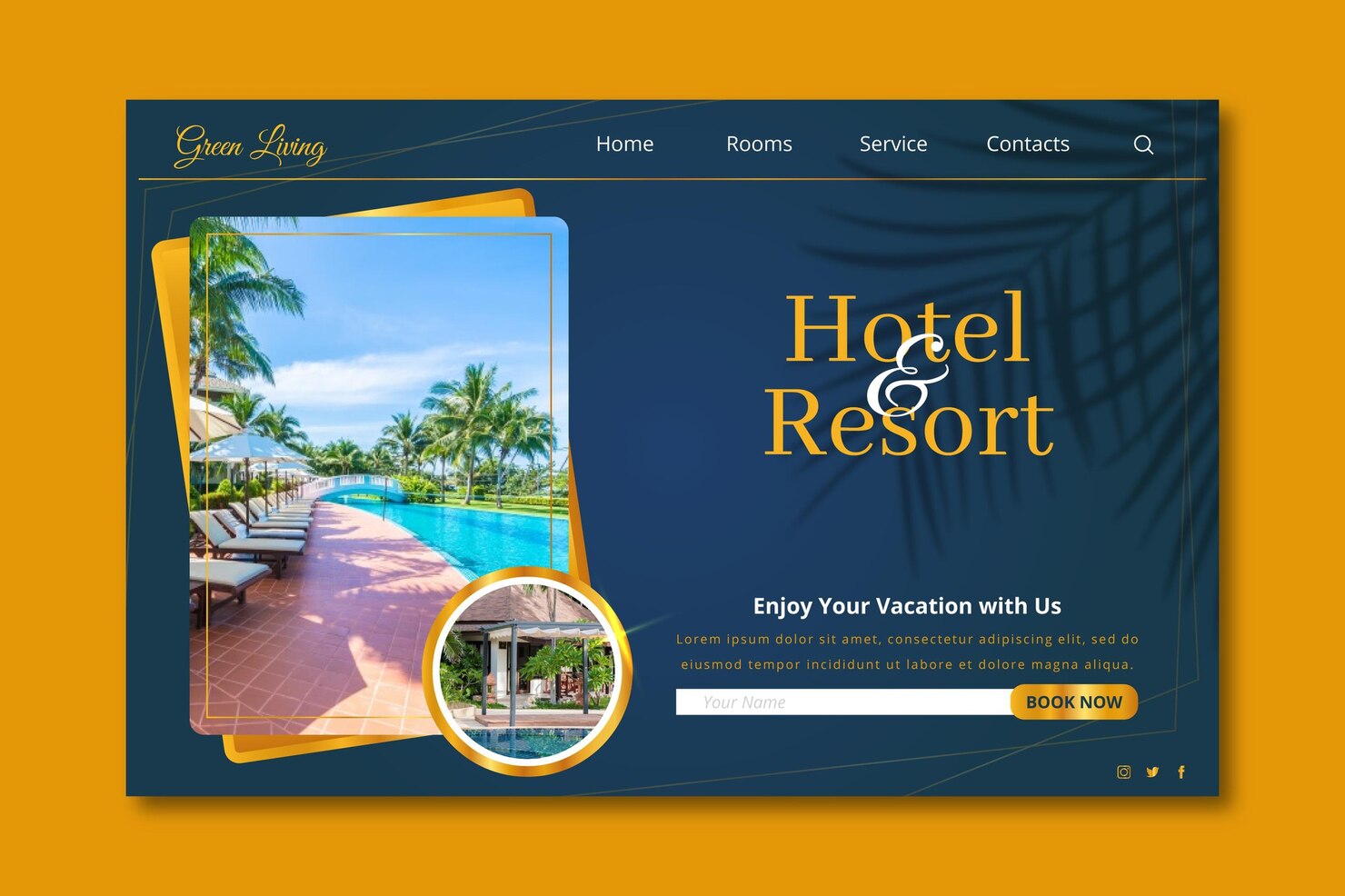
The hospitality sector has undergone a profound digital transformation, fundamentally changing how travelers discover, evaluate, and book their stays. In this landscape, a professional hotel booking website is indispensable for several reasons, directly impacting a hotel’s profitability and long-term success. It serves as the digital front door to your property, allowing you to showcase your unique offerings and connect directly with potential guests.
Direct Booking Advantage
One of the most compelling reasons for a dedicated hotel booking website is to secure direct bookings. Relying heavily on Online Travel Agencies (OTAs) like Booking.com or Expedia can be costly due to significant commission fees, often ranging from 15% to 30%. A robust, user-friendly website empowers hotels to bypass these commissions, leading to higher revenue per booking. Direct bookings also provide hotels with direct access to guest data, enabling personalized marketing efforts and fostering stronger customer relationships, which are vital for repeat business.
Brand Building and Storytelling
Your website is the ultimate platform for telling your hotel’s unique story. It allows you to control the narrative, showcase your brand’s personality, values, and distinct offerings through high-quality imagery, engaging videos, and compelling descriptions. Unlike generic OTA listings, your website provides an immersive experience, highlighting the ambiance, amenities, and local experiences that make your property special. This brand control is crucial for differentiating yourself in a crowded market and building a memorable identity.
Enhanced Guest Experience
A well-designed website contributes significantly to the overall guest experience, starting from the very first interaction. It offers prospective guests a centralized hub where they can find detailed information about rooms, services, local attractions, and special packages. Features like virtual tours, FAQs, and live chat support can answer queries instantly, build trust, and streamline the decision-making process. A seamless booking experience reflects positively on your brand and sets the expectation for a high-quality stay.
Competitive Edge and Market Reach
In a highly competitive industry, a professional website provides a crucial competitive edge. It allows smaller boutique hotels to compete effectively with larger chains by showcasing their unique charm and personalized service. Through effective Search Engine Optimization (SEO), your website can rank higher in search results, increasing visibility to a global audience. This expanded reach means your property is discoverable by travelers actively searching for accommodations, regardless of their geographical location, thus broadening your market base beyond traditional boundaries.
Data Ownership and Marketing Control
When bookings come through OTAs, the hotel often has limited access to valuable guest data. A direct booking website gives you complete ownership of customer information, including booking preferences, demographics, and contact details. This data is invaluable for understanding your target audience, segmenting marketing campaigns, and offering personalized promotions. Hotels can also implement their own loyalty programs and retargeting strategies, leading to higher conversion rates and stronger guest retention.
Key Features & Requirements
Creating an effective hotel booking website involves integrating a suite of essential features that collectively contribute to a seamless user experience, operational efficiency, and maximized conversions. This Hotel Booking Website Guide emphasizes the importance of a holistic approach to feature implementation, ensuring that every element serves a purpose in attracting and retaining guests.
Intuitive Booking Engine
The core of your website, the booking engine, must be highly intuitive and efficient. It should allow guests to effortlessly search for availability, select dates, view various room types, and add extra services. Key requirements include:
- Real-time Availability: Displays up-to-the-minute room status to prevent overbookings.
- Dynamic Pricing: Adjusts rates based on demand, season, and occupancy.
- Multiple Rate Plans: Supports various booking options like non-refundable, flexible, or package deals.
- Add-ons and Upsells: Allows guests to include amenities like breakfast, spa treatments, or airport transfers during booking.
- Booking Modification/Cancellation: Provides guests with self-service options to manage their reservations.
Secure Payment Gateway
Security is paramount when handling financial transactions. Your website must integrate with a reputable and secure payment gateway (e.g., Stripe, PayPal, Authorize.net) that supports various payment methods, including major credit cards, digital wallets, and local payment options. PCI DSS compliance is non-negotiable to protect sensitive guest data and build trust.
Responsive Design (Mobile-First)
With a significant portion of bookings now coming from mobile devices, a responsive design is crucial. Your website must adapt flawlessly to any screen size—desktops, tablets, and smartphones—without compromising functionality or aesthetics. A mobile-first approach ensures optimal performance and user experience across all devices.
High-Quality Visuals (Photos & Videos)
Visual appeal is critical in hospitality. Showcase your property with stunning, professional-grade photos and videos of rooms, common areas, amenities, and surrounding attractions. Virtual tours can significantly enhance the guest experience, allowing them to explore your property virtually before booking.
Comprehensive Room and Property Information
Each room type needs its dedicated page with detailed descriptions, high-resolution images, a list of amenities, and pricing. Information about hotel facilities, services (e.g., concierge, gym, restaurant), and location (with an interactive map) should be easily accessible.
Multilingual Support and Currency Conversion
To attract an international clientele, offer your website in multiple languages. Automatic currency conversion based on the user’s location enhances convenience and transparency, making the booking process smoother for global travelers.
Guest Reviews and Testimonials Integration
Social proof is powerful. Integrate a section for guest reviews and testimonials, or link to popular review platforms like TripAdvisor. Authenticity builds trust and can significantly influence booking decisions.
Content Management System (CMS)
A user-friendly CMS allows hotel staff to easily update content, add new promotions, manage room inventory, and publish blog posts without requiring technical expertise. This autonomy is vital for keeping your website fresh and relevant.
CRM Integration
Integrating with a Customer Relationship Management (CRM) system helps manage guest profiles, track communication, and personalize marketing efforts. This leads to better guest retention and targeted promotions.
Analytics and Reporting Tools
Tools like Google Analytics are essential for tracking website performance, understanding user behavior, identifying conversion bottlenecks, and making data-driven decisions to optimize your site and marketing strategies.
SEO Features
Built-in SEO tools, such as customizable meta titles, descriptions, clean URLs, and schema markup, are vital for improving your website’s visibility in search engine results and attracting organic traffic.
Benefits of a Professional Website
Investing in a professional hotel booking website yields a multitude of advantages that go beyond merely having an online presence. For any property leveraging this Hotel Booking Website Guide, understanding these benefits underscores the value of such an investment in securing long-term success and sustainability.
| Benefit Category | Description |
|---|---|
| Increased Direct Bookings | Reduces reliance on OTAs and their commission fees, leading to higher profit margins per reservation. Guests prefer booking directly for best rates and personalized offers. |
| Stronger Brand Identity | Allows full control over brand messaging, visual aesthetics, and unique selling propositions. Builds brand recognition and fosters trust with potential guests. |
| Enhanced Guest Experience | Offers a seamless, informative, and intuitive booking journey. Provides comprehensive details, virtual tours, and immediate support, improving pre-arrival satisfaction. |
| Competitive Advantage | Differentiates your property from competitors, especially those relying solely on third-party channels. Demonstrates professionalism and technological prowess. |
| Data Ownership & Insights | Gives hotels direct access to valuable guest data for personalized marketing, loyalty programs, and strategic decision-making. Understand guest behavior patterns. |
| Cost Savings | Minimizes OTA commissions, leading to significant savings that can be reinvested into property improvements or marketing initiatives. |
| Direct Marketing Control | Enables hotels to run targeted marketing campaigns, special promotions, and loyalty programs directly to their audience without intermediary restrictions. |
| Global Reach | Optimized for search engines, your website can attract visitors from around the world, expanding your potential guest base beyond geographical limitations. |
| Customer Relationship Building | Facilitates direct communication with guests, allowing for personalized pre-stay and post-stay interactions, which are crucial for repeat business and positive reviews. |
Boosted Revenue and Profitability
The most tangible benefit is the direct impact on your bottom line. By reducing OTA commissions, every direct booking contributes more significantly to your revenue. Furthermore, a well-optimized website with effective upsell opportunities (e.g., premium rooms, additional services, local experiences) during the booking process can increase the average transaction value, thereby enhancing overall profitability.
Improved Marketing Efficiency
A dedicated website acts as the central hub for all your marketing efforts. SEO optimization ensures organic visibility, while integration with social media, email marketing platforms, and ad campaigns funnels traffic directly to your conversion engine. With analytics, you gain actionable insights into what works, allowing you to refine your strategies for maximum return on investment.
Flexibility and Adaptability
Unlike fixed listings on OTAs, your own website offers complete flexibility. You can instantly update prices, launch new promotions, announce events, or modify content to reflect current trends or special offers. This agility allows you to respond quickly to market changes, competitor actions, and seasonal demands, keeping your offerings fresh and appealing to potential guests.
Step-by-Step Website Development Process
Developing a high-performing hotel booking website requires a structured approach. Following this Hotel Booking Website Guide’s step-by-step process ensures that all critical aspects are addressed, from initial concept to launch and beyond, resulting in a robust and effective online platform.
1. Planning and Strategy
- Define Goals: What do you want your website to achieve? (e.g., increase direct bookings by 30%, reduce OTA reliance, enhance brand awareness).
- Target Audience: Who are your ideal guests? (e.g., business travelers, families, luxury seekers). This influences design, content, and features.
- Budget Allocation: Determine your budget for development, ongoing maintenance, and marketing.
- Competitive Analysis: Research competitor websites to identify strengths, weaknesses, and opportunities for differentiation.
- Feature List: Based on your goals and audience, create a detailed list of essential and desired features.
2. Platform Selection
- Dedicated Booking Engine: Choose a specialized hotel booking engine (e.g., SiteMinder, Cloudbeds, Little Hotelier) that integrates seamlessly with your website and Property Management System (PMS).
- CMS Integration: Decide on a Content Management System (CMS) like WordPress (with booking plugins), Drupal, or a custom solution, depending on scalability and flexibility needs.
- Custom Development vs. Template: Evaluate whether a custom-built site offers necessary unique functionalities or if a high-quality template with customization options will suffice.
3. Design and User Experience (UI/UX)
- Wireframing & Prototyping: Create visual representations of your website’s layout and user flow to ensure intuitive navigation and optimal conversion paths.
- Visual Design: Develop a visually appealing design that aligns with your hotel’s brand identity, utilizing high-quality imagery, consistent color palettes, and typography.
- Mobile Responsiveness: Ensure the design is fully responsive and optimized for all devices (desktops, tablets, smartphones) with a mobile-first approach.
- Clear Call-to-Actions (CTAs): Strategically place prominent and clear CTAs (e.g., “Book Now,” “Check Availability”) throughout the site.
4. Feature Implementation and Development
- Booking Engine Integration: Implement the chosen booking engine, ensuring it’s robust, secure, and fully functional.
- Payment Gateway Setup: Integrate secure payment processing methods and ensure PCI DSS compliance.
- Room Management System: Develop or integrate a system for managing room inventory, rates, and availability.
- Third-Party Integrations: Connect with PMS, CRM, channel managers, review platforms, and analytics tools.
- Security Measures: Implement SSL certificates, firewalls, and regular security audits to protect guest data.
5. Content Creation
- Compelling Copywriting: Write engaging descriptions for rooms, amenities, services, and local attractions that highlight unique selling points.
- Professional Photography & Videography: Use high-resolution, professional images and videos to showcase your property visually.
- Blog/News Section: Create a blog to publish engaging content, local guides, and hotel news for SEO and guest engagement.
6. Search Engine Optimization (SEO)
- Keyword Research: Identify relevant keywords travelers use to find hotels in your area.
- On-Page SEO: Optimize meta titles, descriptions, headings (H2, H3), image alt text, and content for target keywords.
- Technical SEO: Ensure fast loading speeds, mobile-friendliness, clean URL structures, and proper sitemaps. Implement schema markup for hotel features.
- Local SEO: Optimize Google My Business profile and build local citations.
7. Testing and Quality Assurance (QA)
- Functionality Testing: Thoroughly test all features, especially the booking engine, payment gateway, and forms.
- Usability Testing: Conduct user testing to identify any friction points in the booking process.
- Performance Testing: Check website speed and responsiveness across different devices and browsers.
- Security Audits: Verify all security measures are in place and functioning correctly.
- Content Review: Proofread all text for grammatical errors, typos, and accuracy.
8. Launch and Post-Launch
- Website Launch: Push the optimized website live.
- Marketing & Promotion: Announce your new website through email campaigns, social media, and paid advertising.
- Performance Monitoring: Continuously monitor website traffic, conversion rates, and user behavior using analytics tools.
- Regular Maintenance & Updates: Keep software, plugins, and security features updated. Regularly refresh content and add new features based on feedback and market trends.
Best Practices
To ensure your hotel booking website not only attracts visitors but also converts them into loyal guests, adhering to industry best practices is crucial. This Hotel Booking Website Guide highlights key strategies for maximizing your online platform’s potential.
Mobile-First Design and Optimization
Prioritize mobile user experience. Ensure your website loads quickly, is easy to navigate, and the booking process is seamless on smartphones. Most guests research and book on mobile, making this a non-negotiable aspect.
High-Resolution Visuals and Virtual Tours
Invest in professional photography and videography. High-quality images of rooms, amenities, and surroundings are paramount. Consider 360-degree virtual tours to give potential guests an immersive experience, helping them visualize their stay.
Simplified and Transparent Booking Process
Keep the booking process as short and intuitive as possible. Minimize steps, clearly display pricing (including taxes and fees upfront), and use clear call-to-action buttons. Any friction can lead to abandonment.
Robust SEO Strategy
Implement both on-page and technical SEO. Optimize for relevant keywords, ensure fast loading times, clean code, and schema markup (e.g., for `Hotel`, `Room`, `Review`). Local SEO is vital for attracting guests searching in your area.
Personalization and Customization
Leverage data to offer personalized content, special offers, and room recommendations. Use cookies to remember preferences, and consider dynamic content based on user location or past interactions. A personalized experience significantly boosts conversion rates.
Strong Security Measures (SSL, PCI DSS)
Protect guest data with an SSL certificate (HTTPS), secure payment gateways (PCI DSS compliant), and regular security audits. Trust and security are foundational for online transactions.
Integrated Guest Communication
Provide multiple communication channels: live chat, clear contact information, and an FAQ section. Prompt responses to inquiries build confidence and improve the booking experience.
Leverage Guest Reviews and Testimonials
Prominently display authentic guest reviews and testimonials. Integrate with platforms like TripAdvisor or Google Reviews. Positive social proof is a powerful conversion tool.
Analytics and Continuous Optimization
Regularly monitor website performance using tools like Google Analytics. Analyze traffic, conversion rates, bounce rates, and user flow. Use these insights to continually A/B test and optimize your site for better results.
Clear Value Proposition and Special Offers
Clearly communicate why guests should book directly with you (e.g., best rate guarantee, exclusive packages, complimentary perks). Highlight ongoing promotions and seasonal offers prominently to entice bookings.
Common Mistakes to Avoid
Even with a comprehensive Hotel Booking Website Guide, certain pitfalls can derail the success of your online platform. Awareness of these common mistakes is the first step toward avoiding them and ensuring your website performs optimally.
- Slow Loading Times: A website that takes more than a few seconds to load will lead to high bounce rates. Guests are impatient and will quickly move to a competitor’s site. Optimize images, leverage caching, and ensure efficient hosting.
- Poor Mobile Responsiveness: Ignoring mobile users is a critical error. A non-responsive site that is difficult to navigate or book on a smartphone will lose a significant portion of potential guests.
- Complex Booking Process: Too many steps, confusing forms, or hidden fees will frustrate users and lead to cart abandonment. The booking journey should be streamlined, transparent, and intuitive.
- Outdated or Low-Quality Visuals: Blurry, old, or unappealing photos fail to showcase your property effectively. Guests rely heavily on visuals to make booking decisions; investing in professional photography is essential.
- Lack of Clear Call-to-Actions (CTAs): If guests can’t easily find a “Book Now” or “Check Availability” button, they won’t know what to do next. CTAs should be prominent, action-oriented, and strategically placed.
- Inadequate Security (No SSL): Operating a website without an SSL certificate (HTTPS) not only compromises guest data but also triggers security warnings in browsers, eroding trust and harming SEO.
- Ignoring SEO Best Practices: Failing to optimize for search engines means your website won’t be easily discoverable. This includes poor keyword usage, lack of meta descriptions, and slow site speed.
- Generic or Insufficient Content: Copy-pasting descriptions or providing minimal information fails to convey your hotel’s unique selling points. Engage guests with detailed, compelling, and unique content.
- No Analytics Setup: Launching a website without proper analytics (e.g., Google Analytics) means you’re operating blind. You won’t know who your visitors are, how they behave, or where improvements are needed.
- Poor Customer Support Integration: Making it difficult for guests to ask questions or get assistance (e.g., no live chat, obscure contact info) creates frustration and distrust, potentially losing bookings.
- Neglecting Post-Launch Maintenance: A website is not a one-time project. Failing to regularly update content, software, security patches, and monitor performance will lead to obsolescence and vulnerabilities.
Expert Tips & Industry Insights
Beyond the fundamental development and best practices, leveraging expert tips and staying abreast of industry insights can provide your hotel booking website with a significant competitive advantage. This Hotel Booking Website Guide incorporates advanced strategies for future-proofing your online presence.
Embrace AI and Automation
Chatbots and Virtual Assistants: Implement AI-powered chatbots for 24/7 customer support, instantly answering FAQs, providing information, and even assisting with the booking process. This enhances guest experience and reduces staff workload. Personalized Recommendations: Utilize AI to analyze guest data and provide highly personalized room suggestions, local activity recommendations, and special offers, making the booking experience feel tailor-made.
Hyper-Personalization at Scale
Move beyond basic personalization. Use advanced analytics to understand individual guest preferences, past booking history, and browsing behavior to deliver truly unique experiences. This could include personalized welcome messages on arrival, customized amenity packages, or targeted offers for return visits.
Virtual and Augmented Reality (VR/AR) Experiences
Offer immersive VR tours of your property, allowing guests to virtually walk through rooms and amenities before booking. AR can enhance the on-site experience, perhaps with interactive maps or digital guides accessible via smartphone.
Focus on Sustainability and Local Experiences
Highlight your hotel’s sustainability initiatives and commitment to responsible tourism. Many modern travelers prioritize eco-friendly options. Additionally, curate and promote unique local experiences (e.g., cooking classes, guided tours) that your hotel facilitates, differentiating your offerings from competitors.
Dynamic Pricing and Yield Management
Implement sophisticated dynamic pricing strategies that adjust rates in real-time based on demand, competitor prices, events, and seasonality. This ensures optimal revenue generation while remaining competitive.
Seamless Integration with PMS and Channel Manager
Ensure your website’s booking engine is fully integrated with your Property Management System (PMS) and Channel Manager. This synchronizes inventory, rates, and bookings across all platforms, preventing overbookings and centralizing operations.
User-Generated Content (UGC) Integration
Encourage guests to share their experiences on social media and integrate these feeds onto your website. Authentic UGC serves as powerful social proof and fosters a sense of community around your brand.
Voice Search Optimization
Optimize your content for natural language queries and long-tail keywords, anticipating how users might ask questions using voice assistants (e.g., “hotels near Central Park with a pool”).
Build a Loyalty Program into Your Website
Incentivize direct bookings and repeat stays by integrating a robust loyalty program directly into your website. Offer exclusive discounts, upgrades, or perks to members, strengthening guest retention.
Frequently Asked Questions (FAQs)
What is the most crucial feature for a successful hotel booking website?
The most crucial feature for a successful hotel booking website is an intuitive and reliable booking engine. This system must provide real-time availability and pricing, offer secure payment processing, and guide guests through a seamless, multi-step reservation process. Without a high-performing booking engine, even the most visually appealing website will fail to convert visitors into confirmed guests, directly impacting the hotel’s revenue and operational efficiency. It’s the core functionality that drives direct bookings and guest satisfaction from the outset.
How can a hotel website reduce reliance on Online Travel Agencies (OTAs)?
A hotel website can significantly reduce reliance on OTAs by offering exclusive incentives, like best rate guarantees, loyalty programs, or unique packages, that are only available through direct bookings. Implementing a superior user experience with high-quality visuals and detailed information helps build trust and brand preference. Strong SEO strategies ensure the hotel’s website ranks prominently in search results, making it easily discoverable to potential guests searching for accommodations, thereby diverting traffic directly to the hotel’s own platform.
What role does mobile responsiveness play in a hotel booking website’s success?
Mobile responsiveness is paramount for a hotel booking website’s success because a substantial and growing percentage of travelers research and book accommodations using smartphones and tablets. A website that adapts seamlessly to all screen sizes ensures a consistent, user-friendly experience, preventing frustration and abandonment. Google also prioritizes mobile-friendly sites in search rankings, meaning a non-responsive site will suffer in visibility, losing potential bookings and impacting overall revenue potential in today’s mobile-first world.
How important are high-quality visuals for attracting bookings?
High-quality visuals are critically important for attracting bookings because they allow potential guests to virtually experience the hotel before their stay. Professional, compelling photos and videos of rooms, amenities, and surroundings build trust, set expectations, and evoke desire. Guests rely heavily on these visual cues to make booking decisions, as they provide a clear representation of what to expect. Poor quality or outdated visuals can deter guests, making it essential to invest in professional photography and videography to showcase your property effectively.
What are the key benefits of integrating a CRM with a hotel booking website?
Integrating a CRM (Customer Relationship Management) system with a hotel booking website offers several key benefits, including enhanced guest personalization and targeted marketing. A CRM captures valuable guest data, such as booking history, preferences, and communication logs, enabling hotels to deliver tailored offers and personalized communications. This leads to improved guest loyalty, higher repeat bookings, and more efficient marketing campaigns. By understanding individual guest needs, hotels can build stronger relationships and provide exceptional, customized experiences that drive long-term business growth.
Editorial Note:
This content has been prepared using publicly available information, editorial research and automated content assistance. Information is periodically reviewed and updated for accuracy.
Image Credit:
Image Source: Publicly available profile images and media sources. All rights belong to their respective owners.