Website Design for Interior Designers is no longer a luxury but a fundamental necessity for establishing a robust online presence in today’s competitive market. A professionally designed website acts as your digital showroom, client acquisition tool, and brand storyteller, crucial for showcasing your unique style and attracting your ideal clientele. In an industry driven by aesthetics and trust, a compelling online portfolio is the cornerstone of a thriving interior design business, allowing you to effectively communicate your expertise and vision to a global audience.
Table of Contents
Why This Industry Needs a Professional Website
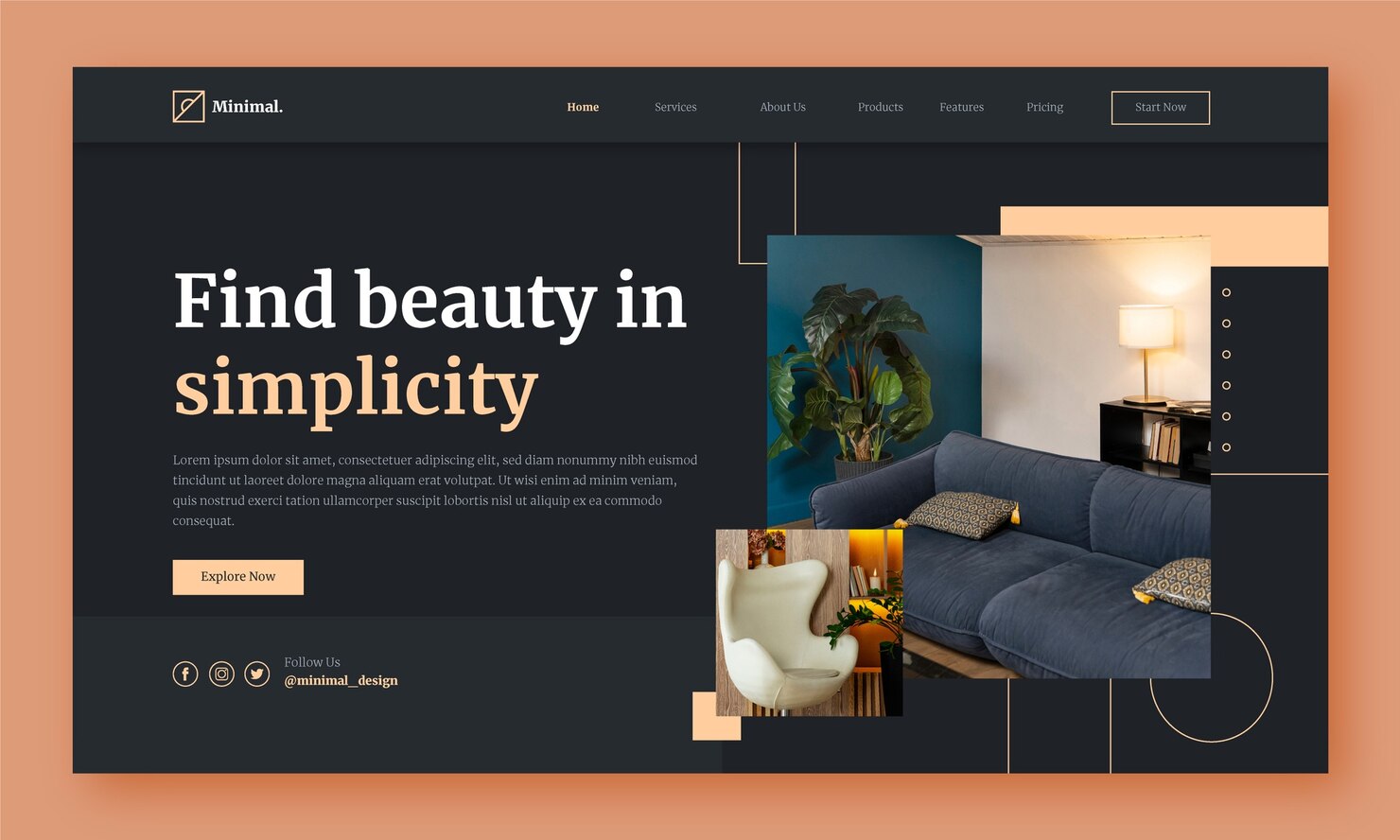
Interior design is an inherently visual profession where quality, creativity, and attention to detail are paramount. A professional website provides the ideal platform to demonstrate these attributes, serving as an always-on portfolio and a primary source of credibility. Unlike social media profiles that can be ephemeral and subject to algorithmic changes, a dedicated website offers full control over your brand narrative and client experience.
Establishing Credibility and Trust
In the world of interior design, potential clients seek not just a designer, but a trusted partner who can translate their vision into reality. A well-designed website immediately conveys professionalism, attention to detail, and a commitment to quality. It acts as a digital handshake, building initial trust before a client even picks up the phone. High-resolution images of completed projects, client testimonials, and clear contact information all contribute to a credible online persona.
Showcasing Your Portfolio and Style
The core of any interior designer’s marketing strategy is their portfolio. A website allows for an extensive and organized display of your best work, categorised by style, project type, or room. This visual storytelling is critical; it enables prospective clients to immerse themselves in your aesthetic, understand your capabilities, and determine if your style aligns with their aspirations. Without a dedicated online space, designers struggle to effectively communicate their artistic range and project complexities.
Reaching a Wider Audience
Geographical boundaries are significantly diminished with a professional online presence. A website enables interior designers to attract clients not just locally, but nationally and even internationally. Optimized for search engines, your site can appear in search results for specific design styles, services, or locations, bringing your work to a much broader demographic than traditional word-of-mouth or print advertising alone.
24/7 Marketing and Lead Generation
Your website never sleeps. It acts as a continuous marketing tool, educating potential clients about your services, showcasing your expertise, and capturing leads even outside of business hours. Through contact forms, service inquiries, or even integrated booking systems, a website constantly works to generate new opportunities, ensuring your business is always accessible and responsive to client interest.
Competitive Advantage
In a crowded market, a superior website can be a significant differentiator. While many designers might have an online presence, one that is strategically designed, visually stunning, and highly functional sets you apart. It signals to clients that you are modern, tech-savvy, and serious about your craft and business, giving you an edge over competitors with outdated or poorly constructed sites.
Key Features & Requirements
An effective Website Design for Interior Designers requires a blend of aesthetic appeal and robust functionality. The site must not only look beautiful but also perform seamlessly to engage visitors and convert them into clients. Here are the essential features and requirements:
Stunning Visual Portfolio
This is arguably the most critical element. Your portfolio needs to feature high-resolution images and videos of your completed projects. Organize projects by category (e.g., residential, commercial, kitchen, bathroom) and include project descriptions detailing your approach, challenges, and solutions. Consider before-and-after sliders or virtual tours for an immersive experience. Optimized image loading is crucial to maintain speed without compromising quality.
Responsive Design
With a significant portion of internet traffic coming from mobile devices, your website must be fully responsive. This means it adapts seamlessly to various screen sizes, from desktops to tablets and smartphones, ensuring a consistent and positive user experience across all devices. Google also prioritizes mobile-friendly websites in its search rankings.
Clear Services Offered Section
Clearly articulate the range of services you provide, whether it’s full-service design, e-design, consultations, or staging. Break down each service into understandable components, explaining what clients can expect and the value you deliver. Transparency about your process helps set expectations and qualifies leads.
About Us/Meet the Team Page
Clients are looking to connect with the person behind the brand. An ‘About Us’ page should tell your story, highlight your philosophy, showcase your expertise, and introduce your team. Include professional headshots and a personal touch to foster connection and trust.
Testimonials and Reviews
Social proof is incredibly powerful. Dedicate a prominent section to client testimonials, case studies, or even integrate third-party review platforms. Authentic feedback from satisfied clients builds credibility and reassures potential new clients of your capabilities and reliability.
Contact Information and Call-to-Action (CTA)
Make it easy for potential clients to reach you. Include your phone number, email address, and a contact form on every page, ideally in the header or footer. Strategic CTAs like “Request a Consultation,” “Start Your Project,” or “Download Our Service Guide” should guide visitors towards taking the next step.
Blog or Resources Section
A blog is an excellent tool for demonstrating your expertise, offering valuable insights, and improving your SEO. Share design tips, trend forecasts, project spotlights, or answer common client questions. This positions you as an industry thought leader and drives organic traffic to your site.
SEO Optimization
Your website needs to be technically optimized for search engines. This includes proper keyword research, meta descriptions, image alt tags, fast loading speeds, clean code, and a secure HTTPS connection. Robust SEO ensures your site ranks higher and is discoverable by those actively searching for interior design services.
Social Media Integration
Seamlessly link your website to your active social media profiles (e.g., Instagram, Pinterest, Houzz). This expands your online ecosystem, allowing visitors to follow your work on their preferred platforms and provides additional avenues for engagement and content sharing.
Secure and Fast Hosting
A fast-loading website is crucial for user experience and SEO. Invest in reliable, high-performance hosting that can handle your image-heavy content. A secure HTTPS connection is also non-negotiable for protecting user data and building trust.
Benefits of a Professional Website
Investing in professional Website Design for Interior Designers yields a multitude of benefits that directly contribute to business growth and brand elevation. These advantages extend far beyond a mere online presence, acting as strategic tools for client acquisition, market positioning, and operational efficiency.
Enhanced Brand Image and Professionalism
A meticulously designed website instantly elevates your brand image. It communicates a high level of professionalism, reflecting the very aesthetic sensibilities you bring to your design projects. This perceived quality translates into client trust and positions your firm as a premium service provider. A cohesive brand identity across your website, social media, and physical presence creates a memorable and impactful impression.
Increased Lead Generation and Sales
The primary goal of any business website is to generate leads and drive sales. For interior designers, a professional site functions as a powerful lead magnet. By showcasing compelling work, outlining clear service offerings, and incorporating user-friendly contact forms and calls-to-action, you significantly increase the likelihood of converting casual browsers into qualified prospects. Effective SEO ensures that these leads are often actively searching for your services.
Expanded Reach and Market Penetration
A website shatters geographical limitations. It allows your work to be seen by potential clients across your city, state, country, or even internationally. This expanded reach is invaluable for niche designers or those looking to scale their business beyond local referrals. Through targeted content and SEO, you can penetrate new markets and attract clients who might never have discovered you otherwise.
Improved Client Communication and Education
Your website can serve as an invaluable resource for both prospective and existing clients. A well-structured FAQ section can answer common questions, reducing the need for repetitive inquiries. A blog can educate clients on design trends, processes, and managing expectations. This not only saves you time but also positions you as a knowledgeable and transparent expert, fostering better client relationships.
Showcasing Unique Style and Vision
Every interior designer possesses a unique aesthetic and approach. A website provides the perfect canvas to articulate and visually demonstrate this individuality. Through curated portfolios, project narratives, and an ‘About Us’ section, you can authentically convey your design philosophy and the specific vision you bring to each project, attracting clients who resonate with your particular style.
Cost-Effective Marketing Tool
While there is an initial investment in Website Design for Interior Designers, it often proves to be one of the most cost-effective marketing tools in the long run. Unlike recurring advertising costs, a website is a long-term asset that continually works for your business. With proper SEO, it generates organic traffic and leads without ongoing ad spend, offering a higher return on investment over time.
Data and Analytics for Business Growth
A website allows you to collect valuable data through analytics tools. You can track visitor behaviour, popular pages, lead sources, and conversion rates. This data provides actionable insights into what’s working and what isn’t, enabling you to refine your marketing strategies, optimize your content, and make informed business decisions for continuous growth.
Step-by-Step Website Development Process
Developing a successful website for an interior design business involves a systematic approach, ensuring all critical aspects are addressed from conception to launch and beyond. Here’s a typical step-by-step process for Website Design for Interior Designers:
1. Discovery and Planning
- Define Goals: What do you want your website to achieve? (e.g., attract new clients, showcase portfolio, sell e-design packages, thought leadership).
- Target Audience: Who are your ideal clients? (e.g., luxury residential, commercial, budget-conscious). This influences design and content.
- Competitor Analysis: Research other interior designers’ websites. What works well? What can be improved?
- Content Strategy: Plan out all content needed: project descriptions, service details, about page narrative, blog topics.
- Keyword Research: Identify primary and secondary keywords relevant to your services and target audience for SEO.
- Sitemap Creation: Outline the website’s structure and hierarchy (e.g., Home, Portfolio, Services, About, Blog, Contact).
2. Design and Branding
- Wireframing: Create basic skeletal layouts of pages to define structure and functionality before aesthetics.
- Visual Design & UI/UX: Develop the visual elements, including color palettes, typography, imagery, and overall aesthetics. Focus on intuitive user experience (UX) and visually appealing user interface (UI) tailored to the interior design industry.
- Branding Integration: Ensure the website design aligns seamlessly with your existing brand identity (logo, style guide).
- Mockups: Create high-fidelity design mockups for key pages for client review and approval.
3. Content Creation and Optimization
- Write Copy: Develop engaging and SEO-friendly text for all pages, incorporating keywords naturally.
- Gather Visuals: Collect and optimize high-quality images and videos for your portfolio. Ensure they are correctly sized and compressed for web performance without sacrificing quality.
- SEO Content Optimization: Implement on-page SEO best practices for all content, including headings, meta descriptions, image alt text, and internal linking.
4. Development and Implementation
- Platform Selection: Choose the right website platform (e.g., WordPress with a page builder, Squarespace, custom build) based on budget, flexibility, and technical requirements.
- Coding/Building: Translate the approved design into a functional website. This involves coding (HTML, CSS, JavaScript) or using a CMS builder.
- Database Integration: Set up databases for dynamic content like blogs or portfolios.
- Third-Party Integrations: Integrate necessary tools like contact forms, analytics, social media feeds, CRM, or email marketing services.
5. Testing and Quality Assurance
- Functionality Testing: Ensure all links, forms, buttons, and interactive elements work correctly.
- Responsiveness Testing: Verify the site displays correctly and functions well on various devices and browsers.
- Speed Testing: Optimize for fast loading times using tools like Google PageSpeed Insights.
- SEO Audit: Check for proper meta tags, alt tags, canonicals, and crawlability.
- User Acceptance Testing (UAT): Allow the client (you) to thoroughly review the site for any final adjustments or issues.
6. Launch and Deployment
- Domain & Hosting: Ensure your domain name is registered and connected to reliable hosting.
- Go Live: Publish the website to your domain.
- Google Analytics & Search Console: Set up tracking to monitor website performance and submit your sitemap to search engines.
- Pre-Launch Checklist: Final check for any last-minute issues.
7. Post-Launch Maintenance and Optimization
- Regular Updates: Keep software, plugins, and content updated.
- Content Refresh: Continuously add new portfolio projects, blog posts, and update service offerings.
- Performance Monitoring: Regularly check analytics for traffic, bounce rate, and conversion data.
- SEO Refinement: Adjust SEO strategy based on performance and search trends.
- Security: Implement robust security measures and backups.
Best Practices for Interior Design Websites
Achieving an impactful Website Design for Interior Designers goes beyond mere aesthetics; it requires adherence to best practices that enhance user experience, ensure discoverability, and drive business objectives. Incorporating these principles will help your website stand out and perform effectively.
Prioritize Visuals with Professional Photography
Given the visual nature of interior design, high-quality photography is non-negotiable. Invest in professional photographers who can capture the essence and detail of your finished projects. Ensure images are well-lit, styled, and represent your work accurately. Optimize image files for web (compression, proper dimensions) to maintain fast loading speeds without compromising visual quality.
Ensure Intuitive Navigation and User Experience (UX)
A beautiful website is ineffective if users can’t find what they’re looking for. Design a clear, logical navigation structure. Use intuitive labels for menus (e.g., ‘Portfolio,’ ‘Services,’ ‘About,’ ‘Contact’). Minimize clicks to reach key information. A clean, uncluttered layout, consistent design elements, and easy-to-read typography contribute to an excellent user experience, encouraging visitors to explore your site further.
Optimize for Search Engines (SEO)
Effective SEO is crucial for discoverability. Conduct thorough keyword research to identify terms your target clients use. Integrate these keywords naturally into your content, headings, meta descriptions, and image alt text. Ensure your website has a fast loading speed, is mobile-responsive, and has a secure HTTPS connection. Regularly create high-quality, relevant content (like blog posts) to attract organic traffic and establish topical authority.
Implement Strong Calls-to-Action (CTAs)
Guide your visitors towards desired actions. Use clear, compelling CTAs that stand out and tell users exactly what to do next (e.g., “Schedule a Consultation,” “View Our Portfolio,” “Get a Custom Quote”). Place CTAs strategically on relevant pages, such as after service descriptions or within project details, to encourage engagement and lead conversion.
Showcase Personality and Brand Story
Clients choose designers based on connection and trust. Use your website to convey your unique personality, design philosophy, and brand story. An engaging ‘About Us’ page, a personal tone in your blog, and even choices in photography or color palette can help prospective clients feel a connection with you and your work, setting you apart from more generic offerings.
Collect and Display Client Testimonials
Social proof is incredibly powerful. Actively collect testimonials from satisfied clients and display them prominently. Consider including a client’s name, project type, and perhaps even a photo (with permission) to add authenticity. These endorsements build trust and validate your expertise, significantly influencing potential clients’ decisions.
Keep Content Fresh and Updated
A static website quickly becomes stale. Regularly update your portfolio with new projects, refresh your service descriptions, and publish new blog content. Fresh content not only keeps your audience engaged but also signals to search engines that your site is active and relevant, which can improve your search rankings. Outdated information can deter potential clients.
Integrate with Social Media and Industry Platforms
Link your website to your active social media profiles (Instagram, Pinterest, Houzz) to create a cohesive online ecosystem. This allows visitors to easily follow your work on other platforms and provides additional avenues for engagement. Conversely, drive traffic from your social channels back to your website for more detailed information and lead capture.
Common Mistakes to Avoid
Even with the best intentions, interior designers can fall into common pitfalls when developing their online presence. Avoiding these mistakes in your Website Design for Interior Designers is critical for ensuring effectiveness, professionalism, and a positive return on investment.
1. Overlooking Mobile Responsiveness
One of the most frequent and detrimental mistakes is failing to optimize your website for mobile devices. A non-responsive site leads to a poor user experience on smartphones and tablets, resulting in high bounce rates and lost opportunities. Furthermore, Google heavily penalizes non-mobile-friendly sites in its search rankings, significantly impacting your visibility.
2. Slow Loading Speeds
Users expect websites to load quickly. A slow-loading site, often due to unoptimized images, excessive plugins, or poor hosting, can frustrate visitors, leading them to abandon your site before they even see your work. This negatively impacts user experience, conversion rates, and SEO.
3. Poor Quality or Unoptimized Images
While high-quality visuals are essential, using images that are too large in file size without proper compression will drastically slow down your site. Conversely, using low-resolution or unprofessional photographs undermines your credibility as a design professional. Ensure images are optimized for web, correctly sized, and have descriptive alt tags.
4. Lack of Clear Calls-to-Action (CTAs)
A beautiful website without clear guidance for visitors is a missed opportunity. If potential clients don’t know what to do next (e.g., “Call Now,” “Request a Quote,” “View Portfolio”), they are likely to leave. CTAs should be prominent, compelling, and guide users towards your business goals.
5. Neglecting SEO Best Practices
Many stunning interior design websites are virtually invisible online because they neglect basic SEO. This includes a lack of keyword research, missing meta descriptions, poorly structured content, or no sitemap. Without proper SEO, your ideal clients may never find your website through search engines.
6. Outdated or Static Content
A website that never gets updated signals neglect. Outdated portfolio projects, old blog posts, or inaccurate contact information can deter potential clients and hurt your credibility. Regular content updates, including new projects and blog posts, demonstrate an active, thriving business.
7. Complex or Confusing Navigation
If visitors struggle to find your services, portfolio, or contact information, they will quickly become frustrated and leave. Overly complex menus, hidden pages, or inconsistent navigation patterns lead to a poor user experience. Keep your navigation simple, intuitive, and consistent across all pages.
8. No Professional Email Address
Using a generic email address (e.g., gmail.com, hotmail.com) instead of a professional one tied to your domain (e.g., [email protected]) can undermine your professionalism. A domain-specific email reinforces your brand and signals a legitimate business.
9. Ignoring Analytics and User Feedback
Launching your website is just the beginning. Failing to monitor website analytics (traffic, bounce rate, popular pages) means you miss crucial insights into user behavior. Ignoring user feedback means you’re not optimizing your site for your audience, missing opportunities for improvement and growth.
10. Lack of a Unique Brand Voice or Personality
In a creative industry, blandness is a weakness. Your website should reflect your unique style, design philosophy, and personality. A generic or templated approach without a distinct brand voice fails to differentiate you from competitors and build a connection with your target audience.
Expert Tips & Industry Insights
To truly excel with your Website Design for Interior Designers, incorporating insights from industry experts and adopting forward-thinking strategies can significantly enhance your online presence and business outcomes. These tips go beyond the basics, offering a competitive edge.
Embrace Storytelling Through Project Narratives
Don’t just display photos; tell the story behind each project. Explain the client’s initial brief, the challenges you faced, your creative process, and the ultimate transformation. Use evocative language that describes the mood, functionality, and unique elements of the space. This narrative approach allows potential clients to visualize themselves in similar situations and connect emotionally with your work, demonstrating not just your design skill but your problem-solving abilities and client-centric approach.
Leverage Video Content for Immersion
While high-quality images are crucial, video takes engagement to the next level. Consider short, professionally produced videos of your completed projects, behind-the-scenes glimpses, or even personal introductions. Video walkthroughs offer a more immersive experience, allowing visitors to feel the flow and atmosphere of a space in a way static images cannot. Videos can also significantly boost engagement and time spent on your site, which is positive for SEO.
Implement Micro-Interactions and Subtle Animations
Small, delightful design elements like subtle hovers, parallax scrolling effects, or animated transitions can significantly enhance user experience without being distracting. These micro-interactions add a touch of sophistication and interactivity, making your website feel more polished and engaging, reflecting the attention to detail clients expect from an interior designer.
Focus on Niche Specialization in Content
Instead of trying to appeal to everyone, consider specializing and showcasing that expertise. If you excel in sustainable design, luxury kitchens, or minimalist commercial spaces, let your website reflect this. Create content (blog posts, dedicated service pages, project categories) that targets these specific niches. This not only attracts highly qualified leads but also positions you as the go-to expert in a particular segment, increasing your authority and command higher fees.
Integrate Client Login Portals for Enhanced Service
For a truly exceptional client experience, consider adding a secure client portal. This allows clients to log in and access project schedules, mood boards, invoices, communication logs, and design presentations. It streamlines communication, enhances transparency, and provides a premium, organized service experience, differentiating your firm from competitors.
Utilize Virtual Consultations and E-Design Services
The demand for remote design services has grown significantly. Clearly advertise virtual consultation options and e-design packages on your website. Provide a clear process, pricing (if applicable), and examples of successful remote projects. This expands your client base beyond geographical limitations and caters to modern preferences.
Prioritize Accessibility for All Users
Ensure your website is accessible to users with disabilities. This includes using appropriate color contrasts, providing alt text for all images, ensuring keyboard navigation, and clear heading structures. An accessible website not only broadens your audience but also demonstrates your commitment to inclusivity, which is a strong brand value. Adhering to WCAG (Web Content Accessibility Guidelines) is becoming increasingly important for legal compliance and ethical practice.
Continuously Monitor and Adapt to Analytics
Your website is a living entity. Regularly delve into your Google Analytics data. Understand where your traffic comes from, which pages are most popular, how long users stay, and where they exit. Use these insights to continuously refine your content strategy, optimize user paths, and improve conversion rates. A data-driven approach ensures your website remains a powerful and evolving asset for your business.
Frequently Asked Questions (FAQs)
What are the essential features an interior designer’s website must include?
An interior designer’s website must essentially include a high-resolution visual portfolio to showcase completed projects, a clear services page detailing offerings, a compelling ‘About Us’ section to build connection, and prominent contact information with calls-to-action. Additionally, responsive design for mobile compatibility, client testimonials for social proof, and a blog for thought leadership are critical for a professional and effective online presence, vital for effective Website Design for Interior Designers.
How can an interior design website effectively attract new clients?
An interior design website effectively attracts new clients by optimizing for search engines (SEO) to appear in relevant searches, showcasing a stunning portfolio that reflects unique style, and clearly defining target client demographics. Incorporating client testimonials builds trust, while a blog demonstrates expertise and draws organic traffic. Engaging calls-to-action and easy contact options convert visitors into leads, proving the value of strategic Website Design for Interior Designers.
What is the typical cost range for professional Website Design for Interior Designers?
The typical cost range for professional Website Design for Interior Designers varies widely, generally falling between $2,500 and $15,000+, depending on complexity. A basic template-based site might start lower, while a custom-designed, feature-rich website with extensive portfolio sections, advanced SEO, and unique functionalities can exceed $10,000. Factors like designer experience, platform choice, and ongoing maintenance also influence the overall investment.
How often should an interior designer update their website content and portfolio?
An interior designer should update their website content and portfolio regularly, ideally quarterly or whenever a new significant project is completed. Fresh portfolio additions keep the site current and engaging, while new blog posts or service updates signal activity to search engines and visitors. Frequent updates demonstrate an active business, reinforce expertise, and are crucial for maintaining SEO relevance and attracting new clients through effective Website Design for Interior Designers.
What SEO strategies are most effective for interior design websites?
The most effective SEO strategies for interior design websites include comprehensive local SEO to target clients in specific geographic areas, extensive keyword research focusing on niche design styles and services, and continuous creation of high-quality, visually rich content (portfolio, blog posts). Optimizing images with alt text, ensuring mobile responsiveness, achieving fast loading speeds, and building quality backlinks are also crucial for improving search engine visibility and attracting qualified leads in Website Design for Interior Designers.
Editorial Note:
This content has been prepared using publicly available information, editorial research and automated content assistance. Information is periodically reviewed and updated for accuracy.
Image Credit:
Image Source: Publicly available profile images and media sources. All rights belong to their respective owners.