Website Design for Insurance Companies is no longer a luxury but a fundamental necessity for establishing credibility, attracting leads, and serving existing clients in the digital age. In a sector built on trust and reliability, a well-crafted online presence serves as your virtual storefront, a 24/7 sales agent, and a dedicated customer service representative. The digital landscape has transformed how consumers research, compare, and purchase insurance policies, making a professional, intuitive, and secure website indispensable. Insurers, from large corporations to independent agencies, must adapt to these evolving client expectations, prioritizing a seamless digital experience that reflects their commitment to service excellence and technological advancement.
Table of Contents
This comprehensive guide delves into the critical aspects of effective Website Design for Insurance Companies, exploring the unique requirements, essential features, and strategic benefits of investing in a robust online platform. We will cover everything from initial planning and development processes to best practices, common pitfalls, and expert insights, ensuring your insurance website is not just an online brochure but a powerful tool for business growth, client engagement, and operational efficiency. Embrace the power of digital transformation to secure your competitive edge and build lasting relationships with your clientele.
Why This Industry Needs a Professional Website
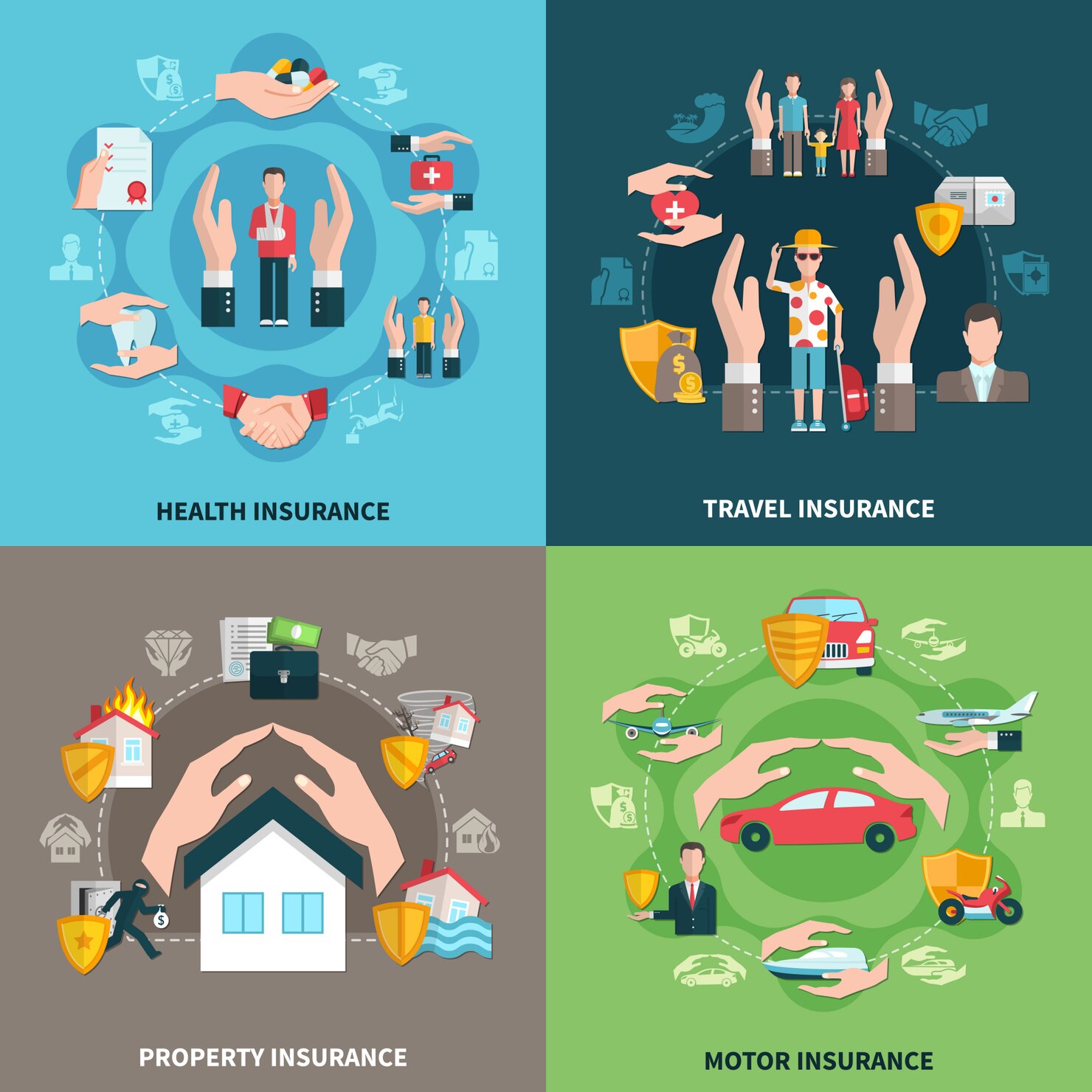
In today’s hyper-connected world, the insurance industry faces a paradigm shift. Consumers are increasingly turning to online channels for their insurance needs, from initial research to policy management. A professional Website Design for Insurance Companies is paramount for several compelling reasons, extending far beyond simply having an online presence.
Digital First Impression and Credibility
Your website is often the first point of contact prospective clients have with your company. A well-designed, modern, and professional website immediately conveys credibility, trustworthiness, and competence. Conversely, an outdated, slow, or poorly organized site can instantly erode confidence, making potential clients question your reliability in protecting their assets and futures. First impressions are critical, and in insurance, they translate directly into trust.
Enhanced Lead Generation and Conversion
A professional insurance website acts as a powerful lead generation engine. Through strategically placed calls-to-action (CTAs), online quote forms, policy comparison tools, and educational content, you can capture warm leads around the clock. Optimized Website Design for Insurance Companies ensures that visitors can easily find the information they need, understand their options, and take the desired next step, whether it’s requesting a quote, scheduling a consultation, or applying for a policy directly.
24/7 Accessibility and Client Service
Insurance needs don’t adhere to business hours. A robust website offers 24/7 access to information, policy details, FAQs, and self-service options. Clients can manage their policies, make payments, file claims (or initiate the process), and find answers to common questions at their convenience, significantly enhancing customer satisfaction and reducing the burden on your customer service team. This always-on availability is a cornerstone of modern client expectations.
Competitive Advantage in a Crowded Market
The insurance market is highly competitive. A superior website design can differentiate your company from competitors, showcasing your unique value propositions, specialized offerings, and commitment to innovation. Investing in cutting-edge Website Design for Insurance Companies signals to the market that you are forward-thinking and dedicated to providing the best possible experience for your clients, helping you stand out in a crowded landscape.
Education and Information Hub
Insurance products can be complex. A professional website serves as an invaluable educational resource, demystifying intricate policies, explaining coverage options, and providing insights into risk management. Blogs, articles, videos, and guides can empower clients to make informed decisions, build trust through transparency, and position your company as a thought leader in the industry.
Streamlining Operations and Efficiency
Beyond external benefits, a well-structured website can streamline internal operations. Integration with CRM systems, policy management software, and payment gateways automates many administrative tasks, reducing manual errors and freeing up staff to focus on more complex client needs. This operational efficiency translates into cost savings and improved productivity across the organization.
Key Features & Requirements for Insurance Websites
Effective Website Design for Insurance Companies demands a specialized approach, incorporating features that cater specifically to the industry’s unique needs for trust, security, and information delivery. Here are the paramount features and requirements:
User-Friendly Interface (UI) and Experience (UX)
An intuitive and uncluttered interface is critical. Users should be able to navigate effortlessly, find information quickly, and complete tasks without frustration. Clean layouts, logical flow, and accessible design principles are non-negotiable. A positive UX builds trust and encourages engagement, directly impacting conversion rates and client retention.
Mobile Responsiveness and Accessibility
Given that a significant portion of web traffic comes from mobile devices, a responsive design that adapts seamlessly to various screen sizes is essential. Beyond responsiveness, adherence to Web Content Accessibility Guidelines (WCAG) ensures that individuals with disabilities can also access and interact with your site, broadening your reach and demonstrating inclusivity.
Secure Client Portal and Account Management
For existing policyholders, a secure, password-protected client portal is a must-have. This portal allows clients to:
- View policy details
- Make premium payments
- Access billing information
- Update personal details
- Download policy documents
- Initiate claims
Robust encryption (SSL/TLS) and multi-factor authentication are crucial to protect sensitive personal and financial data.
Online Quote & Application Systems
Prospective clients expect the ability to get instant quotes and apply for policies online. These systems should be streamlined, user-friendly, and gather necessary information efficiently while complying with all relevant data privacy regulations. Clear progress indicators and form validation enhance the user experience.
Live Chat and Chatbot Integration
Instant communication channels like live chat and AI-powered chatbots can provide immediate answers to common questions, guide users through processes, and improve lead capture. They offer convenience and enhance the perception of responsive customer service, especially for general inquiries or initial fact-finding.
Customer Relationship Management (CRM) Integration
Seamless integration with your CRM system is vital for lead tracking, client management, and personalized communication. This ensures that all interactions are recorded, leads are nurtured effectively, and customer service representatives have a complete view of client history. Effective CRM integration is a cornerstone of modern Website Design for Insurance Companies.
Robust Search Engine Optimization (SEO)
For potential clients to find your website, it must be optimized for search engines. This includes relevant keywords, high-quality content, proper meta tags, fast loading speeds, and a mobile-friendly structure. Strong SEO is fundamental to driving organic traffic and positioning your site as an authoritative source in the insurance domain.
Analytics and Reporting Tools
Integrating tools like Google Analytics is essential for monitoring website performance. These tools provide insights into user behavior, traffic sources, conversion rates, and popular content, allowing for data-driven decisions to continuously optimize the site for better results.
Compliance and Legal Frameworks
Insurance websites must adhere to strict regulatory compliance, including but not limited to GDPR, CCPA, HIPAA (if handling health insurance data), and specific state insurance regulations. This necessitates secure data handling, transparent privacy policies, terms of service, and appropriate disclaimers. Legal compliance builds trust and avoids hefty penalties.
High-Quality, Educational Content
Beyond product listings, provide valuable content such as blogs, FAQs, whitepapers, videos, and guides that educate visitors about insurance concepts, industry trends, and risk management. This positions your company as an expert and builds long-term trust and authority.
Clear Calls to Action (CTAs)
Every page should have clear, compelling CTAs that guide users to the next step, whether it’s “Get a Free Quote,” “Talk to an Agent,” “File a Claim,” or “Learn More.” CTAs should be visually prominent and action-oriented.
Benefits of a Professional Website for Insurance Companies
Investing in professional Website Design for Insurance Companies yields a multitude of benefits that directly impact growth, efficiency, and customer loyalty. These advantages extend across various facets of the business, from marketing and sales to customer service and internal operations.
Increased Lead Generation and Sales
A well-optimized website is a powerful engine for attracting new leads. With robust SEO, intuitive navigation, and clear conversion paths (e.g., online quote forms, contact forms), your site can capture interest from prospects actively searching for insurance. By providing comprehensive information and easy access to services, you significantly increase the likelihood of converting visitors into paying clients, bolstering your sales pipeline continuously.
Enhanced Brand Credibility and Trust
In the insurance sector, trust is paramount. A professional website, characterized by its modern design, seamless functionality, and transparent information, instantly builds credibility. It showcases your expertise, reliability, and commitment to client service. High-quality Website Design for Insurance Companies reinforces your brand image as a dependable and forward-thinking entity, a crucial factor when individuals are entrusting you with their financial security.
Improved Client Satisfaction and Retention
Clients today expect convenience and self-service options. A professional website with features like a secure client portal, online payment capabilities, and accessible FAQs significantly enhances the customer experience. By empowering clients to manage their policies, access information, and perform transactions at their convenience, you boost satisfaction, which in turn leads to higher retention rates and positive word-of-mouth referrals.
Operational Efficiency and Cost Savings
Automating routine tasks through your website, such as quote generation, application submission, and basic customer inquiries (via chatbots), reduces the workload on your staff. This operational efficiency leads to substantial cost savings by minimizing manual processing, paperwork, and the need for extensive phone support for simple queries. Your team can then focus on more complex client needs and strategic initiatives.
Broader Market Reach and Accessibility
A digital presence transcends geographical boundaries, allowing your insurance company to reach a wider audience beyond your immediate physical location. This expanded market reach opens doors to new client segments and growth opportunities that would be unattainable through traditional marketing channels alone. Furthermore, a well-designed, accessible website ensures that all potential clients, including those with disabilities, can access your services.
Data-Driven Decision Making
With integrated analytics tools, a professional website provides invaluable data on user behavior, popular content, conversion funnels, and traffic sources. This data empowers you to make informed, data-driven decisions about your marketing strategies, website improvements, and product offerings, leading to continuous optimization and better business outcomes. Understanding your audience is key to tailoring your services effectively.
Competitive Edge
In a competitive industry, a superior website can be a significant differentiator. Companies with advanced Website Design for Insurance Companies that offer a seamless, secure, and intuitive user experience often gain an edge over those with outdated or poorly functioning sites. It positions you as an innovator and a leader, attracting clients who value modern convenience and digital fluency.
Step-by-Step Website Development Process for Insurance Companies
Developing an effective website for an insurance company requires a structured approach to ensure all unique industry demands are met, from compliance to user experience. The following steps outline a typical Website Design for Insurance Companies development process:
1. Discovery & Strategic Planning
This initial phase involves understanding the client’s business goals, target audience, brand identity, and specific insurance offerings. Key activities include:
- Goal Definition: What do you want your website to achieve (e.g., lead generation, client self-service, brand awareness)?
- Audience Analysis: Who are your target clients? What are their needs, pain points, and digital habits?
- Competitive Analysis: What are competitors doing well, and where are their weaknesses?
- Content Strategy: What information needs to be presented, and in what format?
- Technology Stack Selection: Choosing the right platform, CMS, and integrated tools.
- Budget & Timeline: Establishing realistic financial and temporal parameters.
2. Information Architecture & Wireframing
Based on the discovery phase, the information architecture (IA) defines the organization and structure of the website content. Wireframing then creates a visual blueprint of each page’s layout and functionality without focusing on design elements.
- Sitemap Creation: Mapping out all pages and their hierarchical relationships.
- User Flow Definition: How users will navigate through the site to achieve their goals.
- Wireframes: Low-fidelity visual guides showing content blocks, interactive elements, and navigation for key pages. This ensures usability and logical flow before design.
3. Design & Prototyping
This phase brings the wireframes to life with visual design, focusing on branding, aesthetics, and user interface (UI). Prototypes offer interactive models for testing.
- UI Design: Creating the visual look and feel, including color schemes, typography, imagery, and interactive elements, all aligned with the insurance brand.
- Visual Mockups: High-fidelity designs that show exactly how each page will look.
- Interactive Prototypes: Clickable models that simulate the website’s functionality for early user testing and feedback, refining the Website Design for Insurance Companies.
4. Content Creation & Optimization
Developing compelling, accurate, and SEO-friendly content is crucial for insurance websites. This involves copywriting, asset creation, and optimization.
- Copywriting: Crafting clear, concise, and persuasive text for all pages, including product descriptions, FAQs, blog posts, and legal disclaimers.
- Asset Creation: Sourcing or creating high-quality images, videos, infographics, and other multimedia elements.
- SEO Copywriting: Integrating relevant keywords naturally to improve search engine rankings.
- Legal & Compliance Review: Ensuring all content adheres to insurance regulations and legal requirements.
5. Development & Coding
This is where the design and content are transformed into a functional website. Developers write the code and integrate all specified functionalities.
- Front-End Development: Building the user-facing part of the website (HTML, CSS, JavaScript) to match the approved designs.
- Back-End Development: Building the server-side logic, databases, and APIs for dynamic content, client portals, and integrations (e.g., CRM, payment gateways).
- CMS Implementation: Setting up and customizing a Content Management System (e.g., WordPress, Drupal, custom) for easy content updates.
- Integration of Third-Party Tools: Connecting with quote engines, analytics, live chat, and other essential services.
6. Testing & Quality Assurance (QA)
Rigorous testing is essential to identify and fix bugs, ensuring the website is robust, secure, and performs optimally across all devices and browsers.
- Functional Testing: Verifying that all features work as intended (forms, CTAs, client portal).
- Performance Testing: Checking load times, responsiveness under traffic.
- Security Testing: Identifying vulnerabilities, especially for data handling and client portals.
- Cross-Browser/Device Compatibility: Ensuring consistent experience across different browsers and mobile devices.
- User Acceptance Testing (UAT): Key stakeholders review the site to ensure it meets business requirements.
- Accessibility Testing: Verifying WCAG compliance.
7. Launch & Deployment
Once testing is complete and the site is approved, it’s ready to go live.
- Domain Setup & Hosting: Configuring DNS and deploying the website to a reliable hosting environment.
- Final SEO Checks: Verifying sitemaps, robots.txt, and canonical tags.
- Go-Live: Making the website publicly accessible.
8. Post-Launch Maintenance & Optimization
Website Design for Insurance Companies is an ongoing process. Post-launch activities are crucial for long-term success.
- Regular Updates: Software patches, security updates, and content refresh.
- Performance Monitoring: Tracking analytics, identifying areas for improvement.
- SEO Monitoring & Refinement: Adjusting strategies based on search performance.
- Security Audits: Ongoing checks to protect against threats.
- User Feedback Integration: Implementing improvements based on client feedback and evolving needs.
Best Practices for Website Design for Insurance Companies
To maximize the impact of your online presence, adhere to these best practices when crafting your Website Design for Insurance Companies. These guidelines ensure your site is not only visually appealing but also highly functional, secure, and effective in achieving your business objectives.
Prioritize User Experience (UX) Above All Else
The core of any successful insurance website is an intuitive and delightful user experience. This means easy navigation, clear information hierarchy, minimal clicks to accomplish tasks, and aesthetically pleasing design. Users should never feel lost or frustrated. Invest in professional UX design to understand your audience’s journey and design accordingly.
Ensure Robust Security and Data Privacy
Given the sensitive nature of information handled by insurance companies, security is paramount. Implement SSL/TLS certificates across the entire site, ensure data encryption for all client communications and stored information, and adhere to industry-best security practices. Transparent privacy policies and data handling statements are also essential to build and maintain client trust. Regular security audits are non-negotiable for any Website Design for Insurance Companies.
Adopt a Mobile-First and Responsive Design Approach
With the majority of internet users accessing websites via mobile devices, designing for mobile first is crucial. Your website must be fully responsive, adapting seamlessly to all screen sizes, from smartphones to desktops. This ensures a consistent and optimal user experience regardless of the device, directly impacting engagement and SEO rankings.
Implement Clear and Compelling Calls to Action (CTAs)
Guide your visitors with clear, concise, and action-oriented CTAs. Whether it’s “Get a Quote,” “Request a Call,” “Learn More,” or “File a Claim,” these buttons should be visually prominent, use persuasive language, and lead to direct, logical next steps. Effective CTAs are vital for converting visitors into leads or clients.
Optimize for Speed and Performance
Slow-loading websites frustrate users and negatively impact SEO. Optimize images, leverage browser caching, minimize code, and use a reliable hosting provider to ensure fast loading times. A quick and responsive site significantly improves user retention and search engine rankings.
Regularly Update and Create High-Quality Content
Content is king, especially for SEO and building authority. Regularly publish blog posts, articles, FAQs, videos, and guides that educate your audience about insurance products, industry news, and risk management. This positions your company as a knowledgeable resource, improves SEO, and encourages repeat visits. Content in Website Design for Insurance Companies should be fresh, relevant, and valuable.
Integrate with Your CRM and Other Essential Tools
Seamless integration with your Customer Relationship Management (CRM) system, email marketing platforms, analytics tools, and possibly policy management systems is critical. This ensures efficient lead nurturing, personalized communication, and a unified view of client interactions, streamlining your operations.
Prioritize Accessibility (WCAG Compliance)
Designing for accessibility means ensuring your website is usable by everyone, including individuals with disabilities. Adhering to Web Content Accessibility Guidelines (WCAG) not only broadens your audience but also demonstrates social responsibility and can help avoid potential legal issues. Consider aspects like alternative text for images, keyboard navigation, and clear color contrasts.
Leverage Social Proof: Testimonials and Reviews
Showcasing positive testimonials, client reviews, case studies, and industry awards builds immense trust and credibility. Social proof acts as powerful validation, reassuring prospective clients about your company’s reputation and service quality. Integrate these elements prominently in your Website Design for Insurance Companies to influence decision-making.
Common Mistakes to Avoid in Website Design for Insurance Companies
While aiming for an exceptional online presence, it’s equally important to be aware of and proactively avoid common pitfalls that can undermine the effectiveness of your Website Design for Insurance Companies. Sidestepping these mistakes can save significant time, resources, and potential client loss.
Outdated and Unprofessional Design
One of the most damaging mistakes is having a website that looks like it was built a decade ago. An outdated design immediately signals a lack of modernity, potentially making your company seem less reliable or competent. It can deter younger demographics and create a negative first impression, directly impacting trust and credibility. Website Design for Insurance Companies must keep pace with contemporary aesthetics and usability standards.
Poor Navigation and Confusing User Experience (UX)
If users can’t easily find what they’re looking for, they will quickly leave your site. Complex menus, inconsistent navigation, too many clicks to reach information, or a lack of clear pathways for tasks (like getting a quote or contacting support) lead to high bounce rates and lost opportunities. A confusing UX frustrates users and diminishes their confidence in your services.
Lack of Mobile Responsiveness
Ignoring mobile users in today’s digital landscape is a critical error. A non-responsive website that appears distorted, requires excessive pinching and zooming, or has broken elements on smartphones and tablets will alienate a vast segment of your audience. This not only frustrates users but also negatively impacts your search engine rankings, as Google prioritizes mobile-friendly sites.
Slow Loading Times
Patience is a virtue few possess online. Websites that take more than a few seconds to load lead to high abandonment rates. Slow loading times are often caused by unoptimized images, excessive code, reliance on too many external scripts, or poor hosting. This negatively impacts user experience and is a major SEO ranking factor.
Insufficient Security Measures
For an industry dealing with sensitive personal and financial data, a lack of robust security (e.g., absence of SSL, weak data encryption, vulnerable client portals) is a catastrophic mistake. It exposes your clients to risks, erodes trust, and can lead to severe legal and financial repercussions. Security must be an inherent part of Website Design for Insurance Companies from the outset, not an afterthought.
Absence of Clear Calls to Action (CTAs)
Without well-defined CTAs, visitors may not know what steps to take next, even if they are interested in your services. Generic or absent calls to action result in missed opportunities for lead generation and conversion. Every key page should have a clear purpose and a corresponding CTA that guides the user effectively.
Generic and Irrelevant Content
Filling your website with generic, keyword-stuffed, or uninformative content fails to engage visitors and establish your expertise. Content that doesn’t address the specific needs, questions, or concerns of your target insurance audience will not build trust or drive conversions. High-quality, original, and valuable content is essential for both users and SEO.
Ignoring Search Engine Optimization (SEO)
A beautifully designed website is ineffective if no one can find it. Neglecting basic SEO principles – such as keyword research, on-page optimization, technical SEO, and building high-quality backlinks – means your site will struggle to rank in search results, limiting organic traffic and visibility. SEO for Website Design for Insurance Companies is a long-term investment that yields significant returns.
Lack of Analytics and Performance Tracking
Without analytics tools, you’re operating in the dark. Not tracking website performance, user behavior, conversion rates, and traffic sources means you can’t identify what’s working, what’s not, and where improvements are needed. Data-driven optimization is impossible without proper tracking, leading to stagnant website performance.
Expert Tips & Industry Insights for Insurance Website Design
Staying ahead in the competitive insurance landscape requires more than just a functional website; it demands strategic foresight and continuous adaptation. Here are expert tips and insights to elevate your Website Design for Insurance Companies and ensure its long-term success.
Embrace Hyper-Personalization and AI
Future-proof your website by integrating AI and machine learning to deliver hyper-personalized experiences. This can include:
- Personalized Content: Displaying relevant policy options or articles based on user browsing history or demographic data.
- AI-Powered Chatbots: Offering intelligent, 24/7 support for complex queries, guiding users through policy selection, or assisting with claim initiation.
- Predictive Analytics: Using data to anticipate client needs and proactively offer solutions, improving retention and upselling opportunities.
Personalization enhances engagement and strengthens client relationships.
Leverage Video Content Extensively
Video is an incredibly powerful tool for demystifying complex insurance concepts, sharing client testimonials, introducing your team, and explaining policy benefits. Videos can significantly improve engagement, build trust, and enhance SEO. Incorporate explainer videos, success stories, and agent introductions directly into your Website Design for Insurance Companies for maximum impact.
Prioritize Ethical AI and Data Privacy
As you integrate advanced technologies, maintain an unwavering commitment to ethical AI practices and data privacy. Be transparent about how client data is collected and used, secure explicit consent where necessary, and ensure your AI systems are fair and unbiased. Trust remains the cornerstone of the insurance industry, and any perceived breach can have severe consequences. Robust Website Design for Insurance Companies includes explicit privacy policies.
Focus on Conversational Interfaces
Beyond traditional forms, explore conversational interfaces for collecting information or providing quotes. This could involve interactive questionnaires, guided chatbots, or voice search integration. These methods can feel more natural and less daunting for users, improving completion rates for lead forms and applications.
Integrate Seamlessly with CRM and Marketing Automation
Your website should not be a standalone entity. Ensure deep integration with your Customer Relationship Management (CRM) system and marketing automation platforms. This enables seamless lead nurturing, automated follow-ups, personalized email campaigns, and a holistic view of the customer journey, optimizing your marketing efforts and sales funnel.
Build a Robust Knowledge Base and Self-Service Portal
Empower your clients with a comprehensive, searchable knowledge base. This includes detailed FAQs, how-to guides, glossaries of insurance terms, and video tutorials. A robust self-service portal significantly reduces the burden on customer support, improves client satisfaction, and positions your website as an authoritative resource for all insurance-related queries. This is a critical component of effective Website Design for Insurance Companies.
Optimize for Voice Search
With the rise of smart speakers and voice assistants, optimize your content for voice search queries. This often means using more natural, conversational language in your FAQs and content, anticipating how users might verbally ask questions. Voice search optimization can open up new avenues for discoverability.
Regularly Audit and Update for Compliance
The regulatory landscape for insurance is constantly evolving. Implement a schedule for regular compliance audits of your website content, data handling practices, and legal disclosures. Staying abreast of changes (e.g., data privacy laws, state-specific insurance regulations) is critical to avoid penalties and maintain trust. Your Website Design for Insurance Companies needs to be flexible enough to accommodate these changes swiftly.
Frequently Asked Questions (FAQs)
How much does website design for insurance companies typically cost?
The cost for professional Website Design for Insurance Companies varies significantly, ranging from $5,000 for a basic, template-based site for a small agency to over $50,000 for a complex, custom-built platform with advanced integrations and features for larger firms. Factors influencing cost include custom design requirements, the number of pages, integration with CRM or policy management systems, advanced functionalities like online quoting engines, ongoing maintenance, and SEO optimization. A detailed quote requires understanding specific business needs and desired features.
What are the essential security features for an insurance company website?
Essential security features for an insurance company website include an SSL/TLS certificate for encrypted data transfer, robust data encryption for stored client information, secure client portals with multi-factor authentication, regular security audits, and adherence to regulatory compliance like GDPR, CCPA, and HIPAA. Implementing a Web Application Firewall (WAF) and conducting penetration testing are also critical. These measures protect sensitive client data and maintain trust, which is fundamental to effective Website Design for Insurance Companies.
How can website design improve lead generation for insurance agencies?
Website design improves lead generation for insurance agencies by creating a user-friendly experience with clear calls-to-action (CTAs) for quotes or consultations, integrating online quote forms, and optimizing content for search engines (SEO). A professional site builds credibility, while engaging content, testimonials, and live chat options encourage visitor interaction. Mobile responsiveness ensures accessibility, expanding reach and conversion opportunities. Strategic Website Design for Insurance Companies funnels visitors through a seamless journey from interest to inquiry, significantly boosting lead volume.
Is mobile responsiveness crucial for an insurance company website?
Yes, mobile responsiveness is absolutely crucial for an insurance company website. A significant portion of online traffic comes from mobile devices, and a non-responsive site leads to poor user experience, high bounce rates, and lower search engine rankings. A mobile-friendly design ensures your website adapts seamlessly to all screen sizes, providing an optimal viewing and interaction experience for all users. This enhances accessibility, improves engagement, and is a key factor in Google’s ranking algorithms for effective Website Design for Insurance Companies.
What role does content play in effective website design for insurance companies?
Content plays a pivotal role in effective Website Design for Insurance Companies by educating prospective clients, building trust, and driving SEO. High-quality content, including detailed policy descriptions, FAQs, blog posts, and testimonials, demystifies complex insurance products and establishes your agency as an authority. It also provides valuable keywords for search engines, helping potential clients find your site. Engaging and informative content is crucial for guiding users through their decision-making process, fostering long-term relationships, and converting visitors into clients.
Editorial Note:
This content has been prepared using publicly available information, editorial research and automated content assistance. Information is periodically reviewed and updated for accuracy.
Image Credit:
Image Source: Publicly available profile images and media sources. All rights belong to their respective owners.